Watts and kilowatt-hours: keep the time in the calculation
Use power, duration and a stated tariff to build a transparent scenario, while keeping measured and assumed values separate.
Updated:
Keep the unit attached to the number
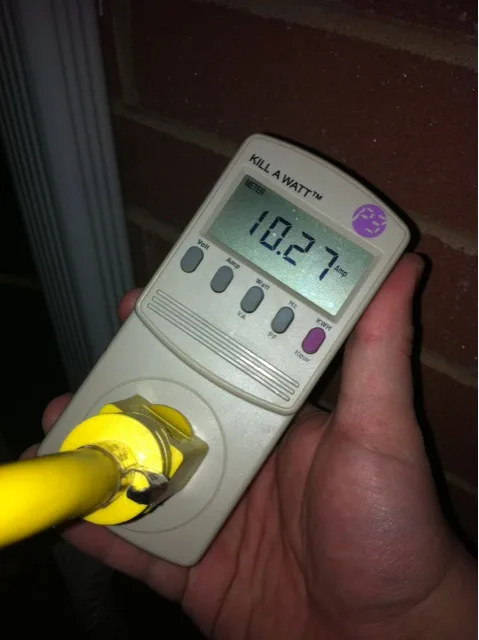
A number without its unit is a poor starting point for comparing energy products. Watts describe power, while kilowatt-hours describe energy over time. A display may also show current in amperes, voltage or another quantity. The real meter photograph shows a current reading; copying that number into a watts field would be an error. Before calculating, identify exactly what the device or document reports. Keep the measurement period and operating conditions beside the value. If you cannot identify the unit, pause the calculation and consult the relevant instructions rather than infer it from the size of the number.
Work through a deliberately simple load
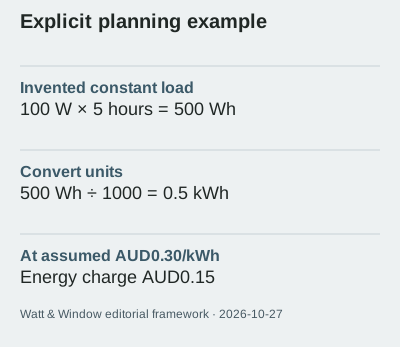
Imagine a constant 100-watt load operating for 5 hours. Multiplying gives 500 watt-hours. Dividing by 1000 converts that to 0.5 kilowatt-hours. At an invented tariff of AUD0.30 per kilowatt-hour, the corresponding energy charge is AUD0.15. These are teaching assumptions, not a current Australian tariff or a tested appliance result. The arithmetic is useful because every step can be inspected. If the power varies during operation, the constant-load assumption no longer describes it accurately; a suitable energy measurement over the relevant period may be needed instead.
Do not confuse a rating with an observation
A label, a maximum input rating and a measured average are different kinds of information. Record which one you have used. Do not assume that a device continuously draws its maximum labelled power or that one brief reading represents an entire day. The WA monitoring factsheet describes several ways to observe electricity use, including whole-home and point-of-use devices. Choose an approach appropriate to the question and equipment, following manufacturer requirements. Electrical circuit work belongs with a qualified professional; this calculation does not require opening a meter box or modifying an appliance.
Treat a tariff as an input with a source
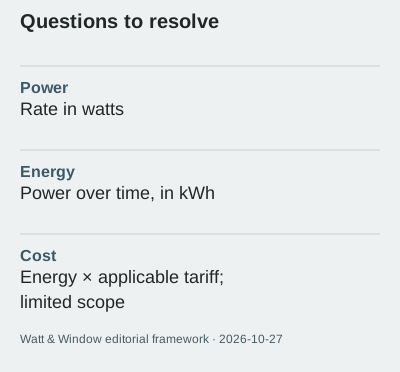
Use the relevant rate from your own current bill or plan when making a personal scenario. Record whether the rate is in cents or dollars per kilowatt-hour before entering it. Thirty cents is AUD0.30, not AUD30. A single-rate multiplication does not capture time-of-use allocation, daily charges, demand charges, export credits or every other bill component. The Australian Government energy-rating guidance uses annual consumption and a rate to explain running-cost estimates. Keep that limited scope visible so the output does not become a prediction of the total amount payable.
Keep controls separate from consumption
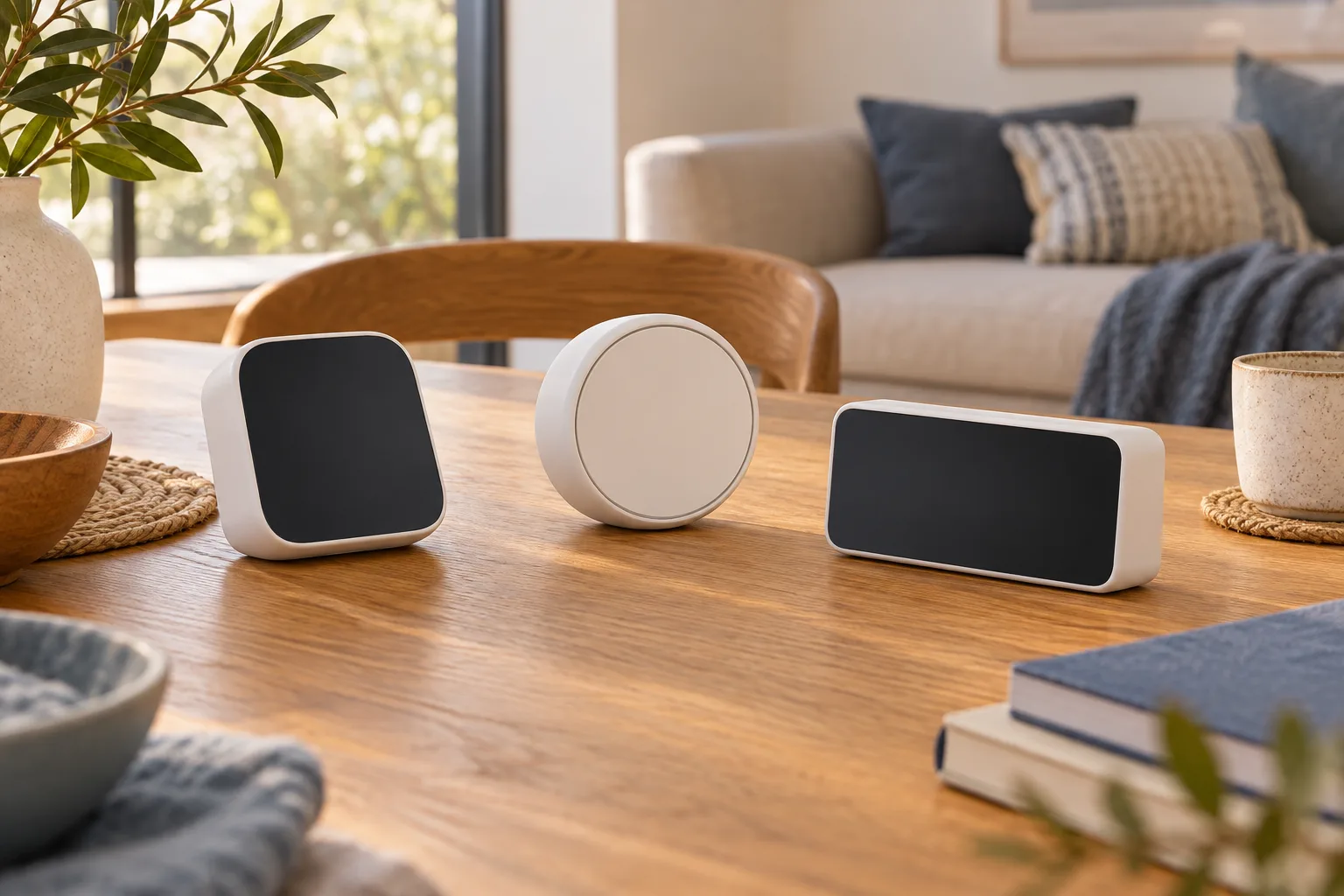
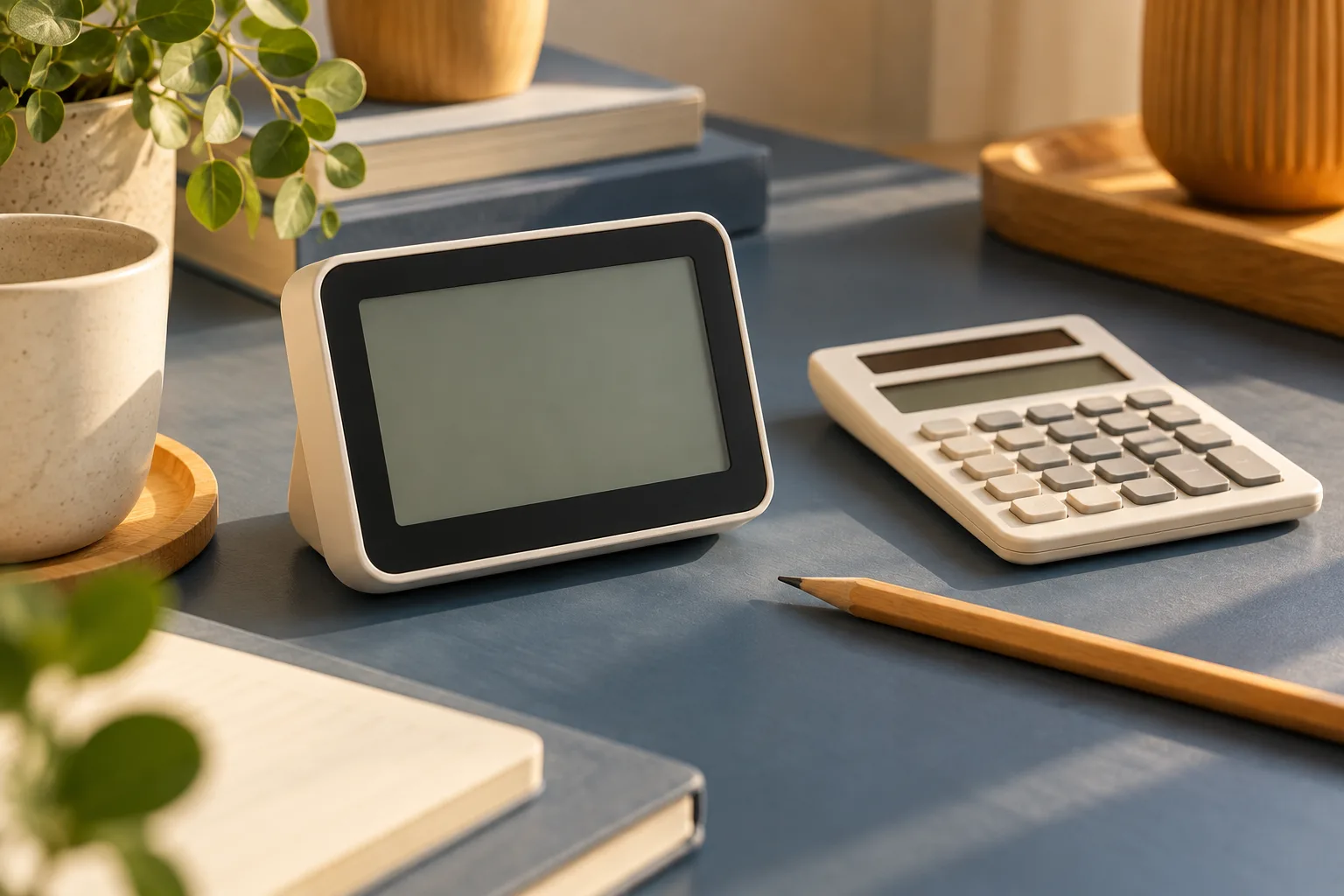
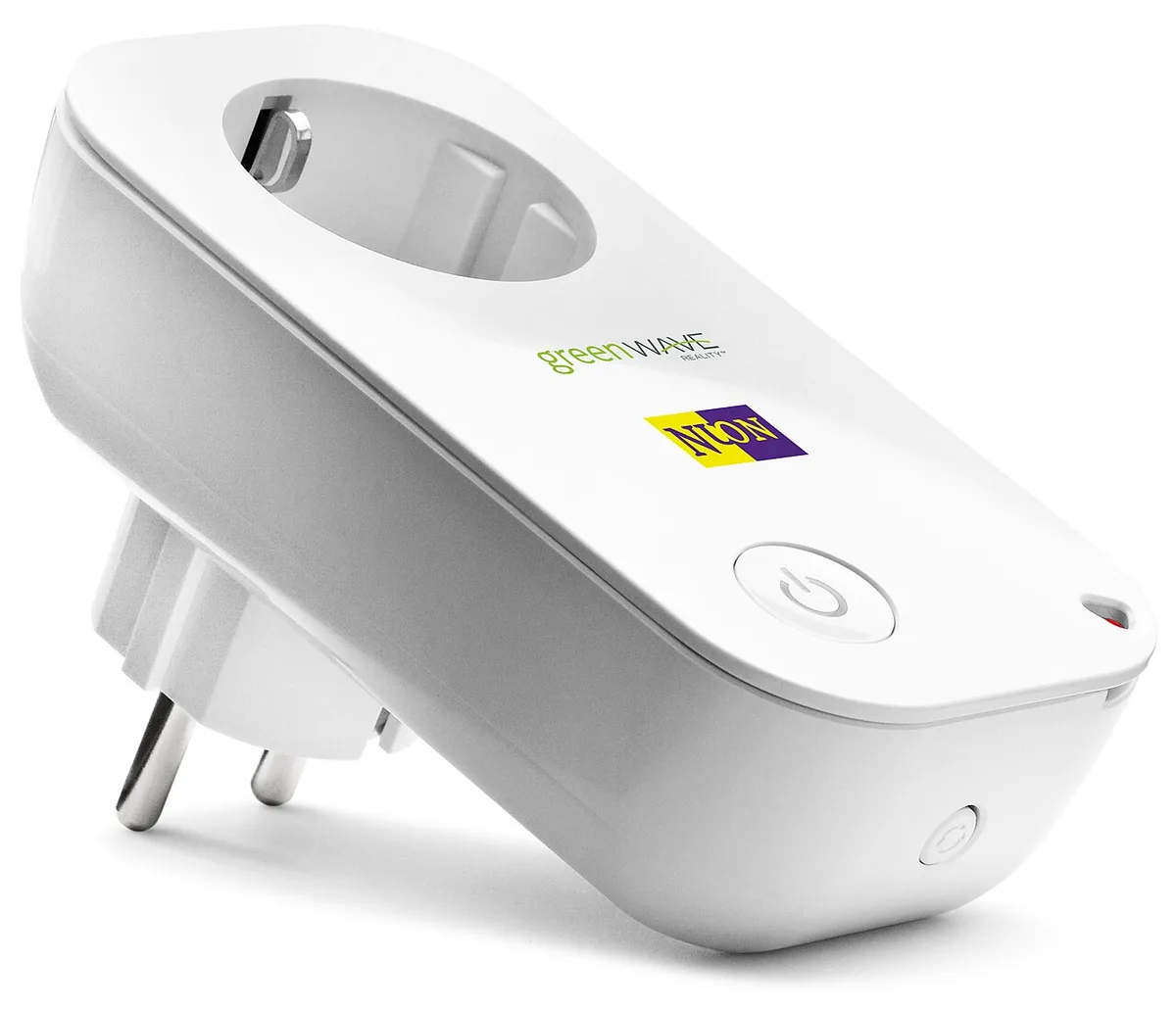
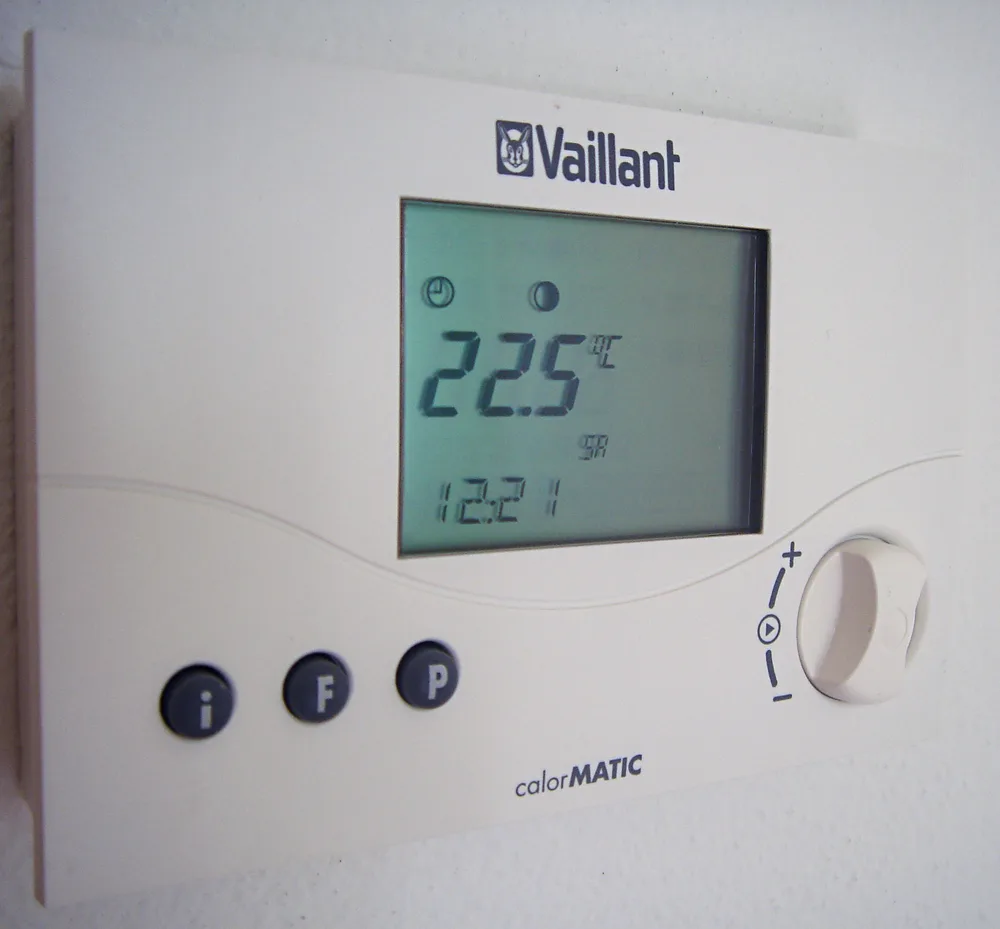
The smart-plug photograph illustrates a control device, and the thermostat photograph illustrates a temperature interface. Neither picture proves the energy used by the connected equipment. A switch can change an operating pattern, but the effect depends on the actual device, compatibility and use. Do not assume that adding a control saves a fixed percentage. If comparing scenarios, state which input changed and why. For example, reducing the assumed duration from 5 to 4 hours changes the simple energy result from 0.5 to 0.4 kWh, a 20% arithmetic difference within that invented scenario only.
Save the assumptions with the result
A useful calculation should be reproducible by someone else. Save the power source, duration, number of days, tariff source and exclusions with the output. Our source review date is 2026-10-27; the example rate is intentionally hypothetical. The electricity-scenario tool on this site follows the same transparent arithmetic and rejects missing or impossible inputs. It does not certify a product, measure your home or promise savings. If an input is uncertain, show a clearly labelled alternative scenario instead of hiding the uncertainty behind extra decimal places.
Australian Government — Energy rating ? Energy Policy WA — Monitor your energy use (August 2021) ?