Choose an energy monitor around the question it can answer
Choose between whole-home and appliance-level observations by identifying the scope and units you need first.
Updated:
Write the question before choosing the device
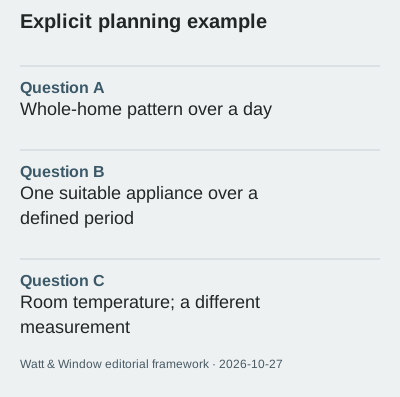
An energy monitor is useful only if its output matches the question you want to answer. Do you want to see the household pattern through a day, understand one suitable appliance over a defined period, or check whether a displayed cost uses the correct tariff? These are separate tasks. Write the desired observation in one sentence and identify the unit and time period. A device with a colourful graph may still provide the wrong scope. Do not buy a monitor on the assumption that the act of measuring will itself reduce consumption.
Distinguish whole-home and point-of-use information
The WA energy-monitoring factsheet describes network meters, smart-home systems, meter-box monitors and power-point monitors. Those categories are a starting point, not a compatibility list for every product. Whole-home information can show an aggregate pattern without identifying each appliance. A point-of-use device covers a more limited scope and must be suitable for the equipment and connection. Ask what is actually measured and what is estimated. Any work involving electrical circuits or fixed installation should be handled by the appropriately qualified professional, following current product requirements rather than an illustrative online photograph.
Inspect the unit and duration
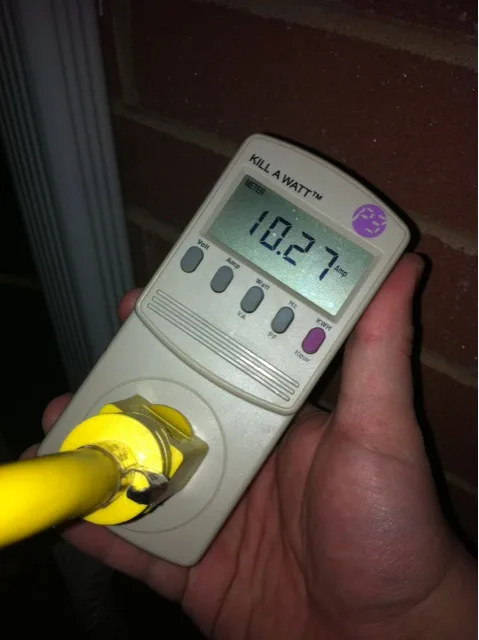
The real Kill-a-Watt photograph shows a current reading. That is not the same as an accumulated energy total. Check whether a proposed device displays watts, kilowatt-hours, amperes, a tariff-based cost or several selectable modes. In a hypothetical record, 0.8 kWh over 4 hours is a period total; 0.8 kWh without a period is incomplete for comparison. A 25% difference between two periods may simply reflect different durations. Keep start and finish times and any reset behaviour in your notes so that the output can be interpreted correctly later.
Check what the account and display require
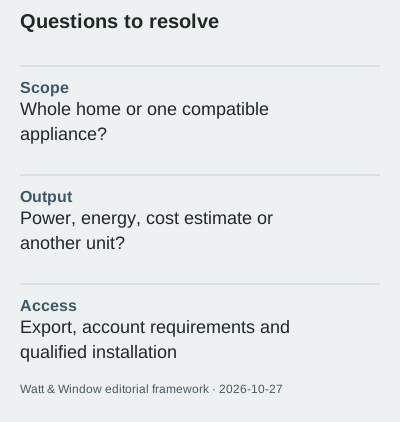
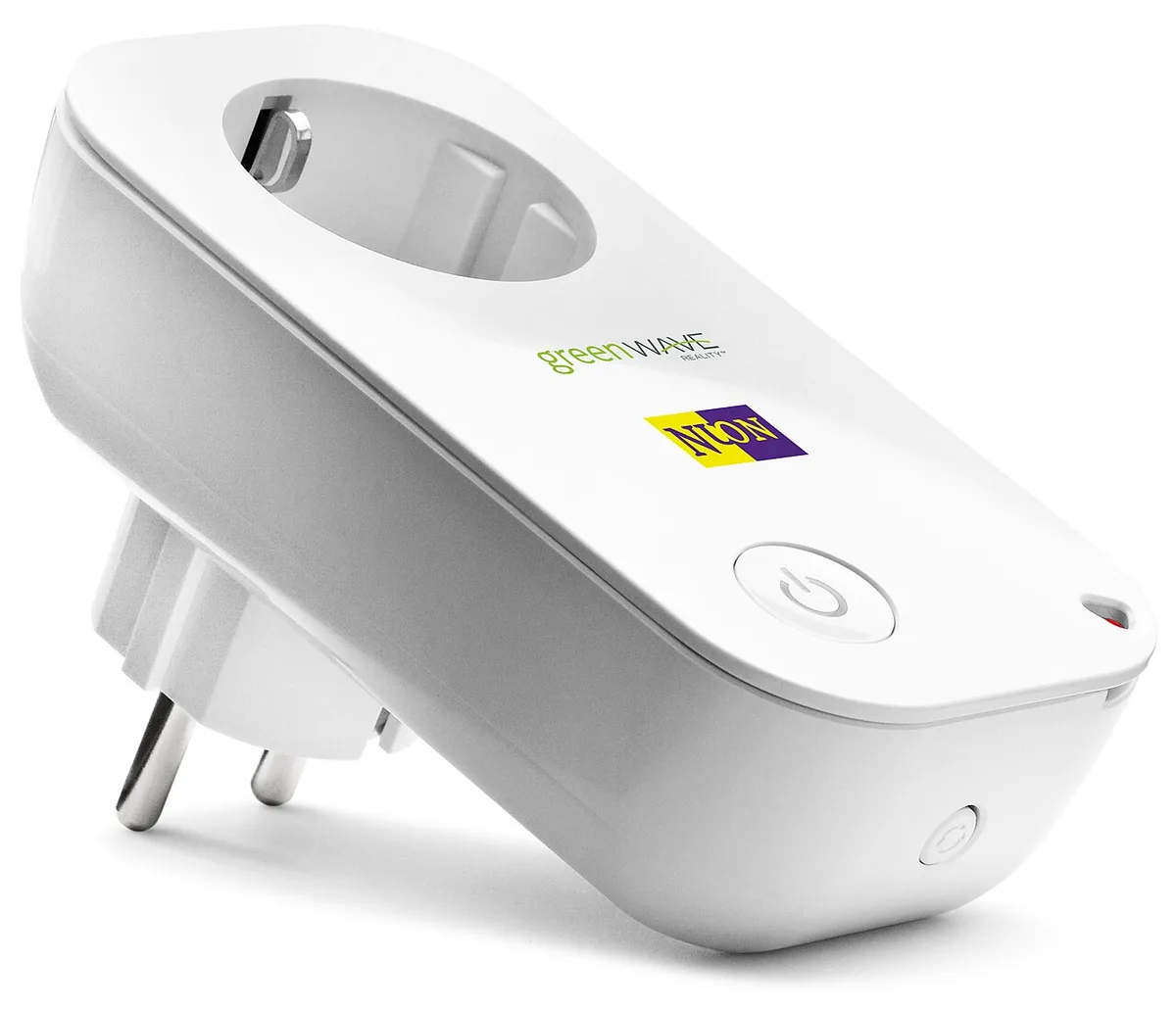
Ask whether information is available locally, through an account or only while connected to a service. Request documentation about export formats, retained history and the meaning of any displayed cost. These are questions for the exact model, not a claim that every device offers the same features. The smart-plug photograph shows a foreign-format product and makes physical suitability another visible check. Do not use an adaptor recommendation from this article; none is provided. Confirm Australian suitability and the permitted load with the manufacturer or an appropriately qualified adviser before choosing equipment.
Do not substitute another observation
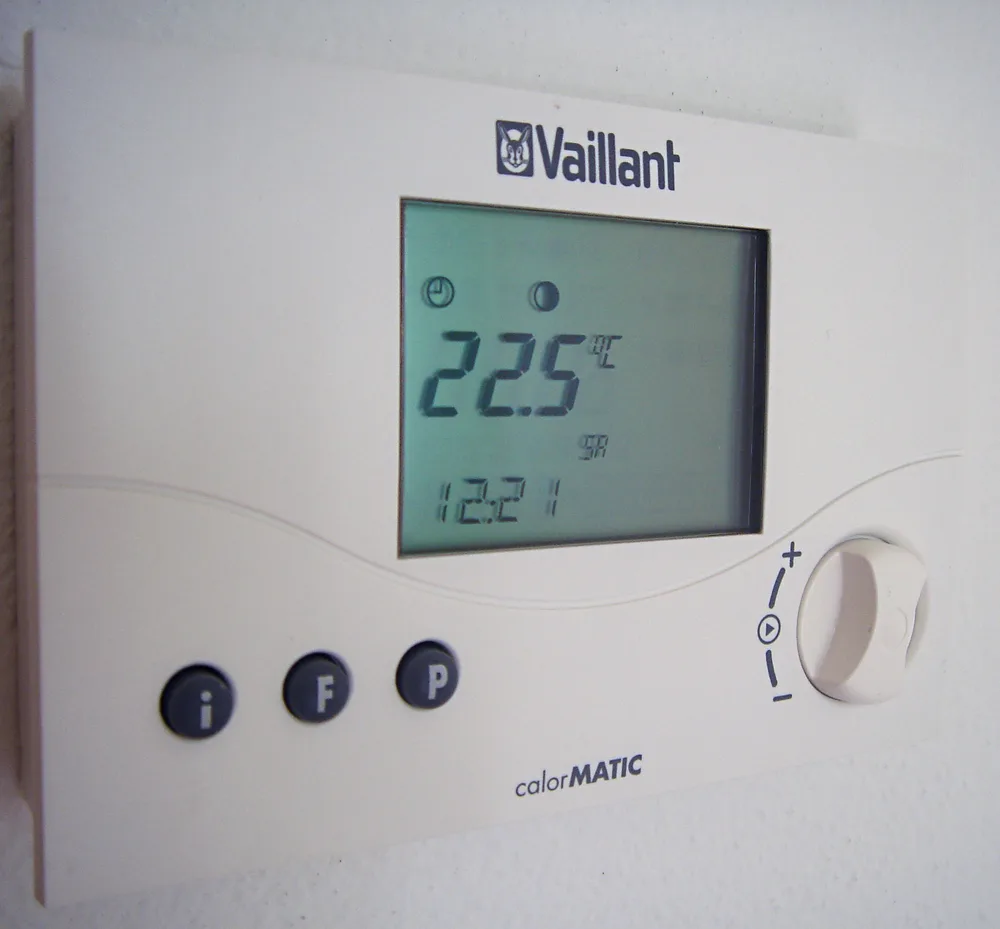
The thermostat photograph shows a temperature interface, not a household electricity meter. A temperature log can be useful context, but it cannot replace the energy measurement needed for an electricity comparison. Similarly, a whole-home total does not isolate the effect of one new controller without further evidence. Keep the measurement question narrow enough that the proposed device can answer it. If a seller promises savings, ask what action and evidence support that promise. Monitoring may inform decisions, but a display alone is not proof of lower consumption or a shorter payback period.
Document the purchase decision
Create a comparison with columns for scope, units, compatibility, installation, access and current written price. Leave unsupported fields blank and request clarification. Our source review date is 2026-10-27; the WA factsheet itself is dated August 2021, so current product details require separate verification. This guide does not endorse a depicted device or provide an installation procedure. Its aim is to help you buy an observation that you can understand and use. Sometimes the next step is to inspect information already available from your retailer before buying additional equipment.