Keep a useful before-and-after energy diary
Keep dates, scope and household context with energy readings so a before-and-after comparison does not overstate what changed.
Updated:

Define the boundary of the comparison
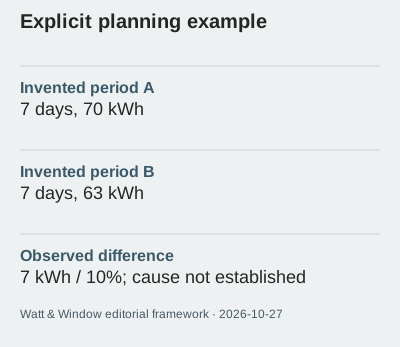
Before recording a baseline, decide what the reading includes. A whole-home total and one appliance total are different boundaries. Write the start and end dates, the measurement source and the unit beside each entry. Keep any estimated readings clearly identified. A useful baseline is not just an old number retrieved after a purchase; it is a record with enough context to explain what was observed. The WA monitoring factsheet describes several device categories, making it important to know which scope your chosen source actually covers before comparing periods.
Make the dates and durations explicit
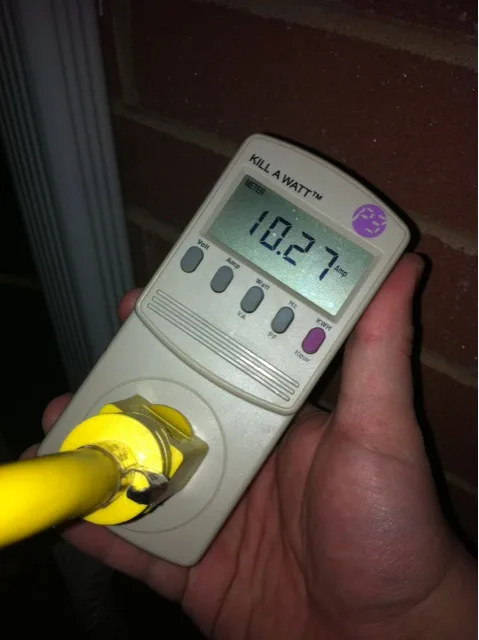
Use periods of clearly stated length and note missing data. In an invented example, period A covers 7 days and records 70 kWh, while period B covers 7 days and records 63 kWh. The difference is 7 kWh, or 10% of the first total. That calculation is valid for the invented totals, but it does not establish why they differ. If the periods were different lengths, the totals would answer a different question. Even a daily average would not automatically make weather, occupancy and operating conditions equivalent.
Keep a small context diary
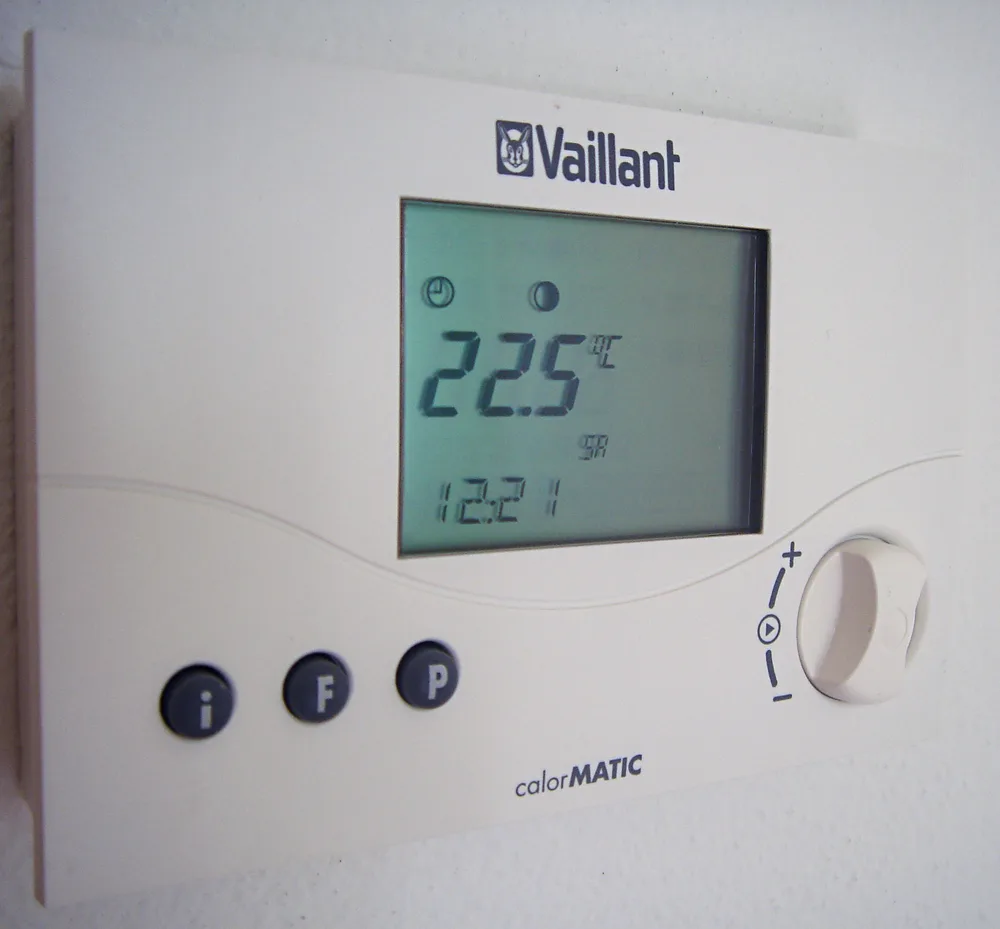
Record relevant changes in ordinary language: more time at home, visitors, a different appliance schedule or an unusual weather period. Do not fabricate a correction factor to compensate for a missing detail. The thermostat photograph illustrates a setting or temperature observation that might provide context, while the external-shading photograph illustrates a building feature. Neither image supplies a causal explanation for a change in your meter total. A diary should preserve what you actually know and leave the rest unresolved. That makes it more useful to an adviser than a polished but unsupported savings percentage.
Avoid changing the story with the unit
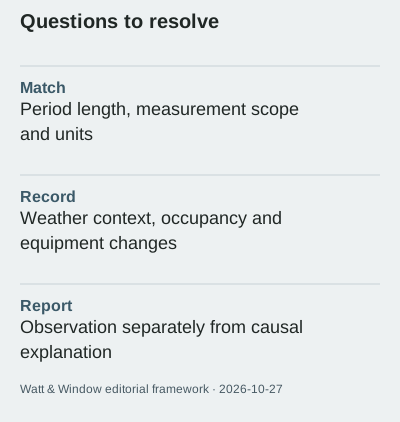
The meter photograph displays current, not accumulated annual energy. Make sure every entry in the comparison uses the intended measurement. A cost estimate can also change because the tariff changed, even when energy use did not. Keep kilowatt-hours and dollar amounts in separate columns, and retain the source of any rate used. Do not combine a retailer bill total that includes fixed charges with a monitor energy-only estimate as if they were identical. If the available records have different scopes, explain that limitation rather than forcing them into one tidy chart.
Describe the result without claiming causation
A cautious statement would say that recorded energy was lower in the second defined period and list the circumstances that also changed. It would not say that a new product caused the entire difference unless suitable evidence supports that conclusion. Avoid annualising a short period into a guaranteed yearly saving. If a supplier offers an evaluation method, ask how it accounts for changing conditions and what uncertainty remains. The diary can help frame those questions. It should not become a substitute for a properly designed assessment simply because the arithmetic produces an appealing result.

Preserve the original record
Save raw readings or exports where available, together with dates, units and notes about gaps. Keep corrections visible rather than silently replacing an inconvenient value. Our source review date is 2026-10-27, and all figures in this article are hypothetical teaching examples. No household performance has been measured by Watt & Window. A useful before-and-after record may show a promising pattern, an inconclusive result or a need for more information. Each can support a sensible next step when the observations remain separate from the claims made about them.