Make a standby inventory without switching off essentials
List device modes and manufacturer requirements before deciding which standby loads are appropriate to investigate.
Updated:

An inventory is not a switch-off list
Start by listing devices and their purpose, not by unplugging everything in a room. Some equipment needs continuous operation, and other devices have specific shutdown or update requirements. Australian Government appliance guidance discusses standby in the wider context of household use. Keep refrigeration, essential medical equipment and other continuous-operation needs out of casual switching experiments. If you are uncertain about a device, mark it for instruction review. The aim is to understand modes and responsibilities, not to make the number of switched-off sockets into a measure of success.
Record the mode accurately
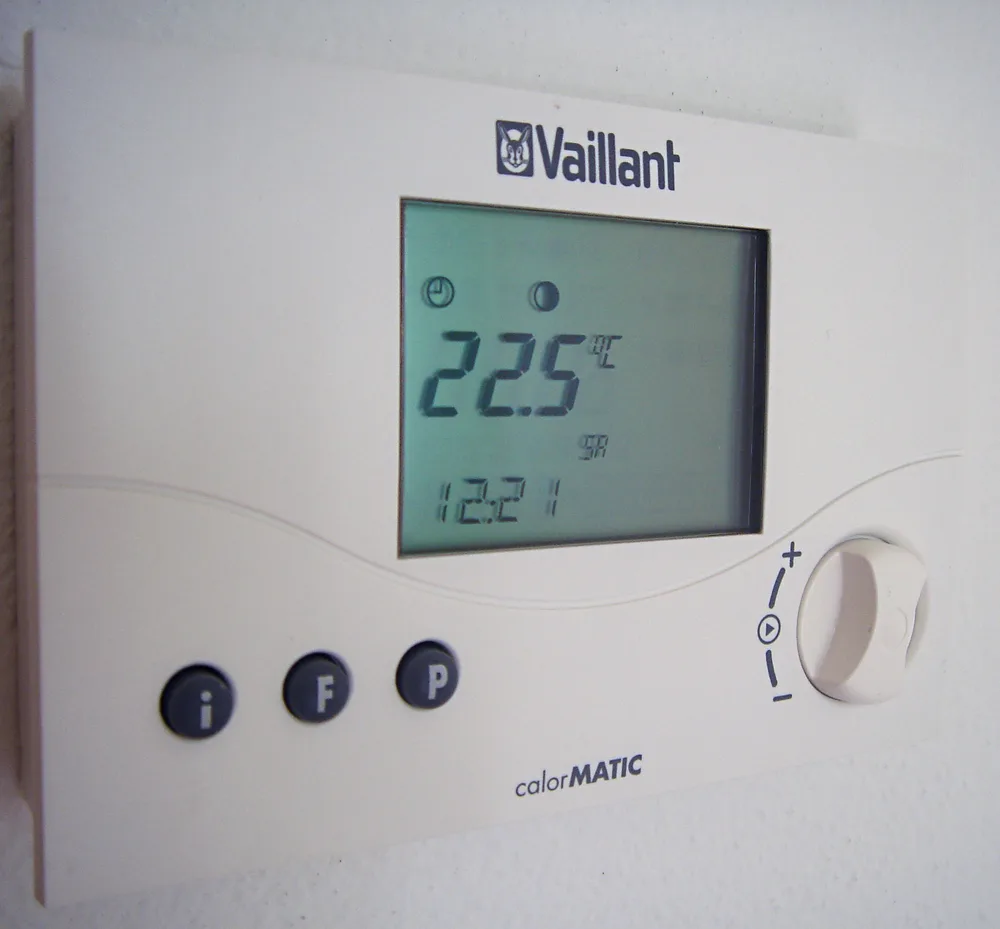
For each suitable item to investigate, note the exact model and the mode you mean: operating, idle, standby or switched off according to its documentation. These labels should not be guessed from whether a screen is dark. Record any functions that remain active and whether the manufacturer explains how to shut the device down normally. The thermostat photograph illustrates why a display can belong to a wider system; its presence does not mean the equipment should be controlled at an arbitrary power point. Keep specialised controls and appliance instructions in their proper roles.
Use arithmetic only when the input is clear
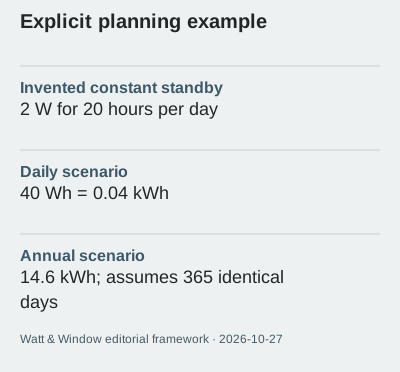
Consider an invented constant standby load of 2 watts for 20 hours each day. The daily energy is 40 watt-hours, or 0.04 kWh. Repeating that identical assumption for 365 days gives 14.6 kWh. At an invented AUD0.30 per kWh, the energy-charge scenario is AUD4.38 annually. These are not measurements, a typical standby figure or a current tariff. The example shows why duration and scope matter, and why a small load should not be described with a dramatic dollar claim unless the calculation supports it.
Check the measurement before ranking items
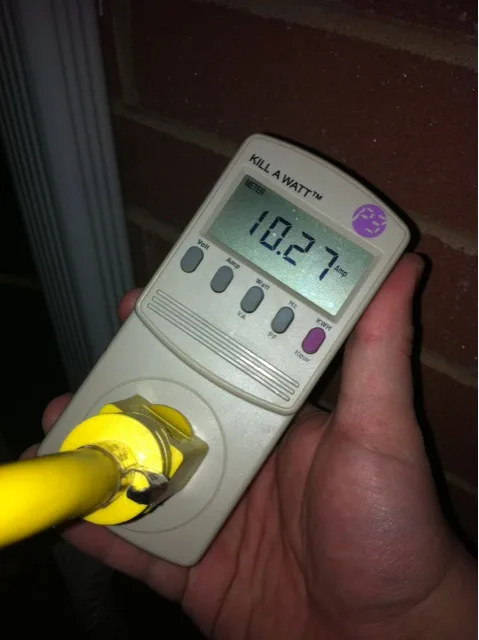
A suitable monitor may help describe a permitted appliance's energy use, but its instructions, range and compatibility matter. Do not assume every device can be measured with a plug-in accessory. The real meter photograph shows amperes rather than an annual energy total, making the unit check essential. If the available reading is uncertain or below the instrument's useful capability, do not give it a precise annual cost. Keep an unknown field instead. A ranked inventory built from incompatible or poorly understood readings can be less useful than a short list of documented observations.
Compare a change with its practical cost
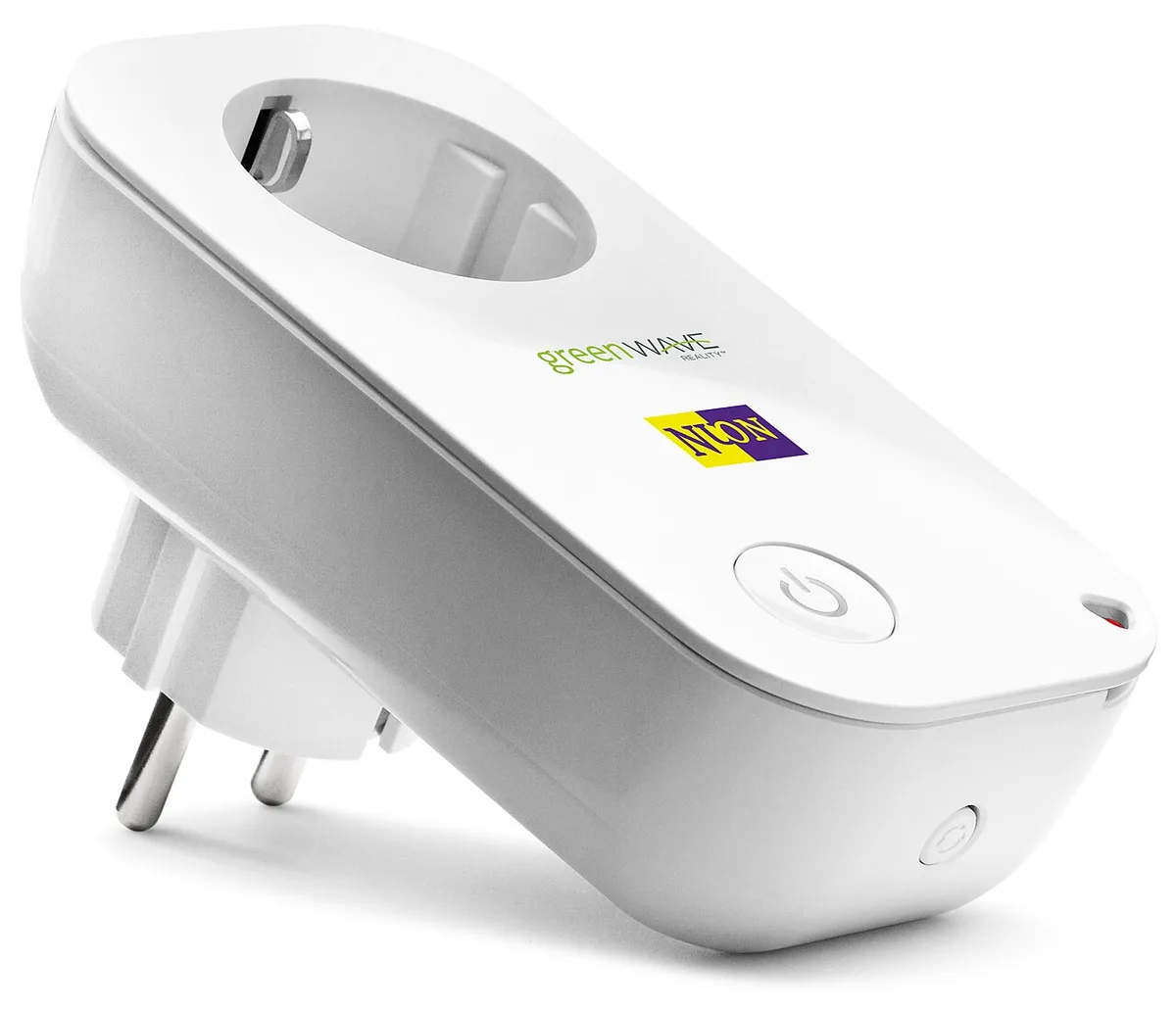
If a supported control change is being considered, ask what it adds to everyday use. Will someone need to restore settings, wait for a restart or manage another account? Does the proposed accessory have its own requirements? The foreign smart-plug photograph illustrates a product form, not a recommendation for Australian connections. Do not buy a control solely because a hypothetical annual figure appears beside it. Compare the actual verified price and documented function with the specific task, and retain any uncertainty about the energy outcome.
Keep the list current
Date the inventory and revisit it when a device or its role changes. Our source review date is 2026-10-27; manufacturer instructions and actual observations require their own dates. This guide does not provide a universal shutdown routine or claim that every standby load is unnecessary. A useful inventory distinguishes equipment that must remain operating, devices whose instructions need review and suitable tasks worth investigating. That makes the next action specific and explainable, instead of turning energy saving into an indiscriminate instruction to disconnect household equipment.