Build a transparent annual electricity cost scenario
Build a reproducible energy-charge estimate from annual kilowatt-hours and your own applicable AUD tariff.
Updated:

Choose the scope before entering numbers
An annual electricity-cost scenario should state what it includes. You might be comparing two appliance label figures, extending a clearly described constant-load assumption or summarising a measured period. These are different input types. Identify the source and unit before opening a calculator. The Australian Government energy-rating guidance explains a running-cost estimate using energy consumption and an electricity rate. Keep that limited purpose visible. This article and the accompanying tool do not predict every component of a bill or determine whether a particular product is a good purchase.
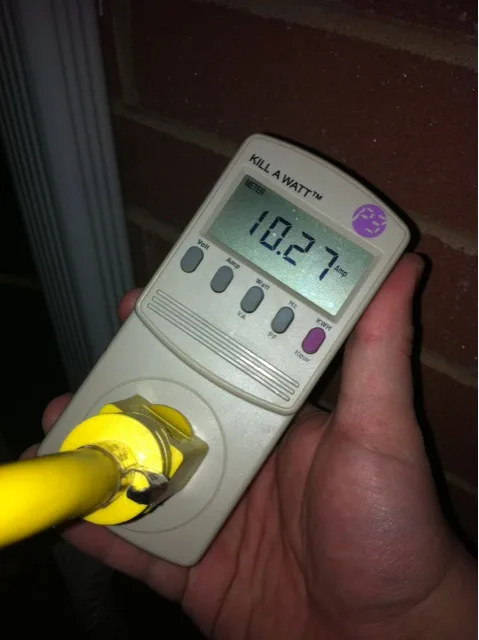
Keep annual energy separate from power
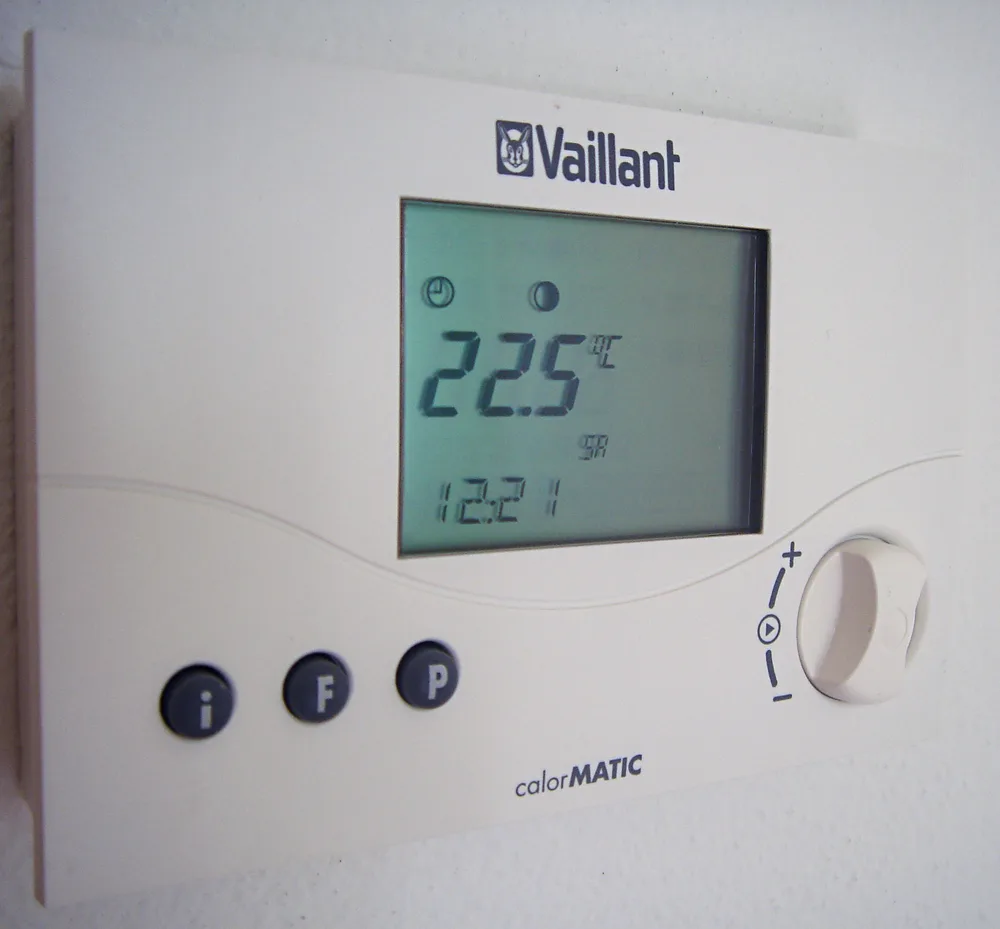
Annual kilowatt-hours already describe energy over a period. Watts describe power and require a duration to form a simple energy scenario. Do not multiply an annual kWh figure by hours again. The real meter photograph shows current, making another possible unit error visible. A thermostat display is a different observation again. If your source does not clearly identify annual energy, record what it actually says and use an appropriate method. An uncertain input should not be made to look authoritative merely because the calculator accepts a number.
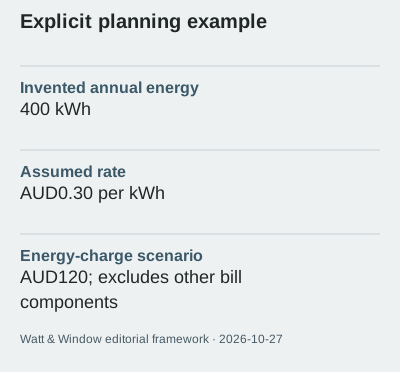
Work through a single-rate example
Take an invented annual consumption of 400 kWh and an assumed tariff of AUD0.30 per kWh. Multiplication gives an energy-charge scenario of AUD120. If an alternative invented figure is 300 kWh at the same rate, the corresponding result is AUD90. The difference is AUD30, or 25% of the first scenario's energy charge. These are teaching examples, not current prices or product measurements. The same rate is used deliberately to isolate the arithmetic difference in energy. If rates or scopes differ, explain those changes rather than presenting the result as a simple product comparison.
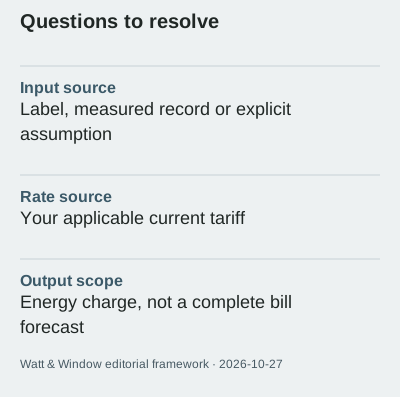
Check cents, dollars and tariff structure
A rate of 30 cents per kWh is entered as AUD0.30 when a field asks for dollars. Entering 30 would make that input 100 times larger. Use the applicable current rate from your own plan or bill, and retain its date. A single-rate calculation does not model time-of-use allocation, daily supply charges, demand charges, discounts or export credits. If those features matter, the simple output is incomplete for the decision. Do not label it total annual bill. Ask the retailer or an appropriate adviser to explain plan details that you do not understand.
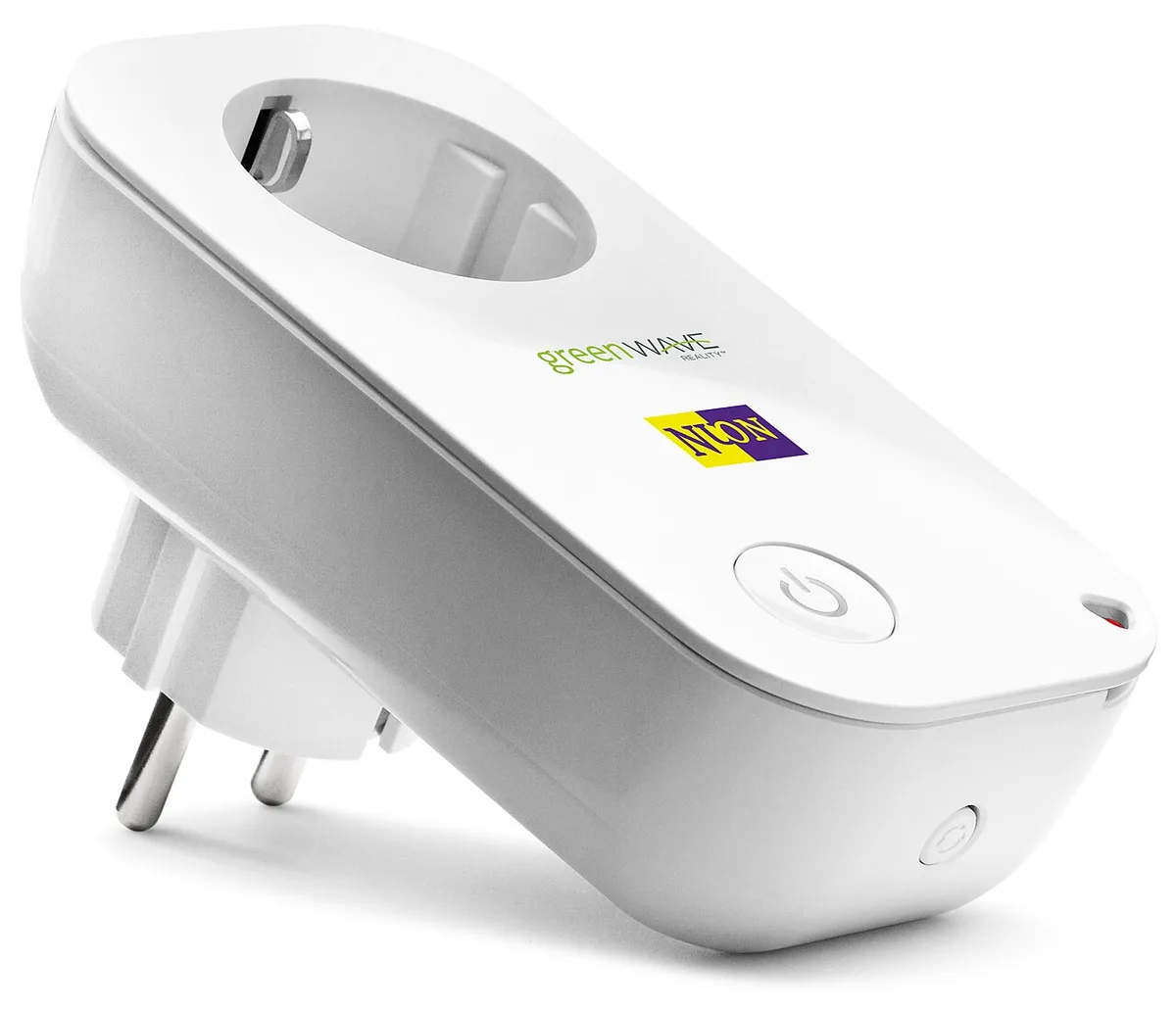
Show uncertainty as separate scenarios
If a duration or energy input is uncertain, make a clearly labelled alternative rather than adding unexplained decimal precision. For instance, show the result under one stated assumption and then under another, while keeping the rate and exclusions visible. The smart-plug photograph illustrates a possible control form, not evidence of an energy reduction that can be entered automatically. Buying a control does not supply a verified percentage saving. Keep actual observations, label figures and imagined changes in separate rows so the comparison does not quietly mix them.
Save a result someone else can reproduce
Record the input values, units, source dates, formula and exclusions with the output. Our source review date is 2026-10-27, and the example tariff is hypothetical. The annual comparison tool performs arithmetic on your supplied figures; it does not verify those figures or recommend an investment. Before using the result in a purchase decision, compare the complete current quoted scope and any relevant support terms separately. A modest, transparent estimate is more useful than a dramatic saving whose assumptions cannot be recovered when someone asks how it was calculated.
Australian Government — Energy rating ? Energy Policy WA — Monitor your energy use (August 2021) ?