Turn a savings claim into questions you can check
Identify the measure, baseline and method behind an energy-saving percentage before using it in a household comparison.
Updated:

Copy the complete claim
When a product advertises a saving, copy the full sentence and its qualifications rather than only the largest percentage. Identify what is claimed to change: a glazing property, a heating or cooling estimate, appliance energy use or a dollar charge. These measures are not interchangeable. Keep the source and date with the wording. A claim may be narrow and properly supported while still answering a different question from the one you care about. The first task is to understand its scope before deciding whether it belongs in your household comparison.
Find the baseline and denominator
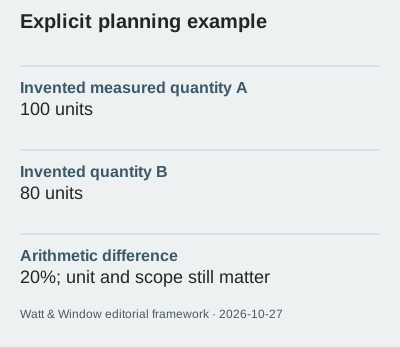
A percentage needs something to compare against. In an invented example, a quantity falls from 100 units to 80 units, a 20% reduction relative to the first quantity. Without the unit and baseline, that statement is incomplete. It does not tell you whether the units are kilowatt-hours, dollars or a modelled performance measure. Ask what the original condition was and whether it resembles the proposed situation. Do not substitute your total electricity bill as the denominator simply because that is the number you would like to reduce.
Name the method behind the number
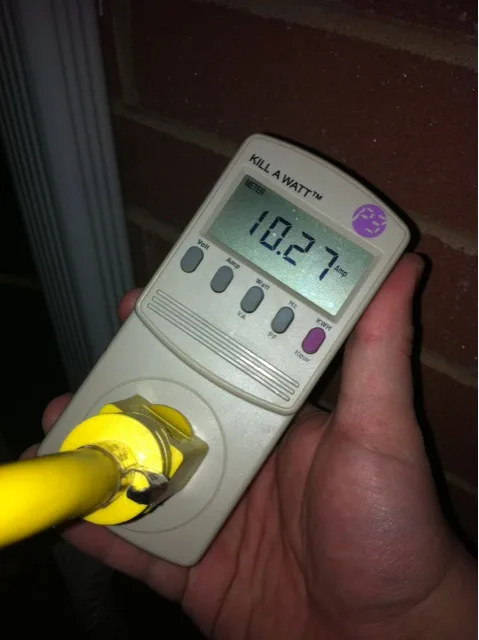
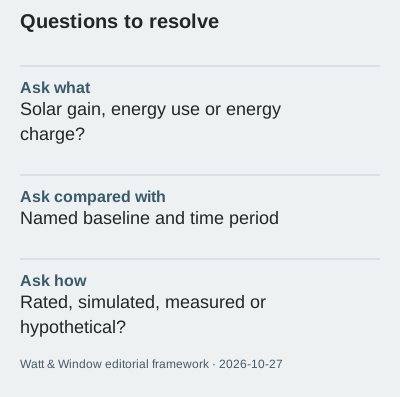
Separate rated, simulated, measured and hypothetical results in your notes. WERS For Film uses a rating framework and modelling context; an appliance energy label describes consumption under its stated assumptions. Neither automatically records what happened in your own home. A measured result also needs a clear scope, period and method before it can be interpreted. The meter photograph illustrates why the unit matters even in a real observation: its display shows current, not an annual energy total. A photograph of a device is not itself a test report.
Check whether the proposed product matches the evidence
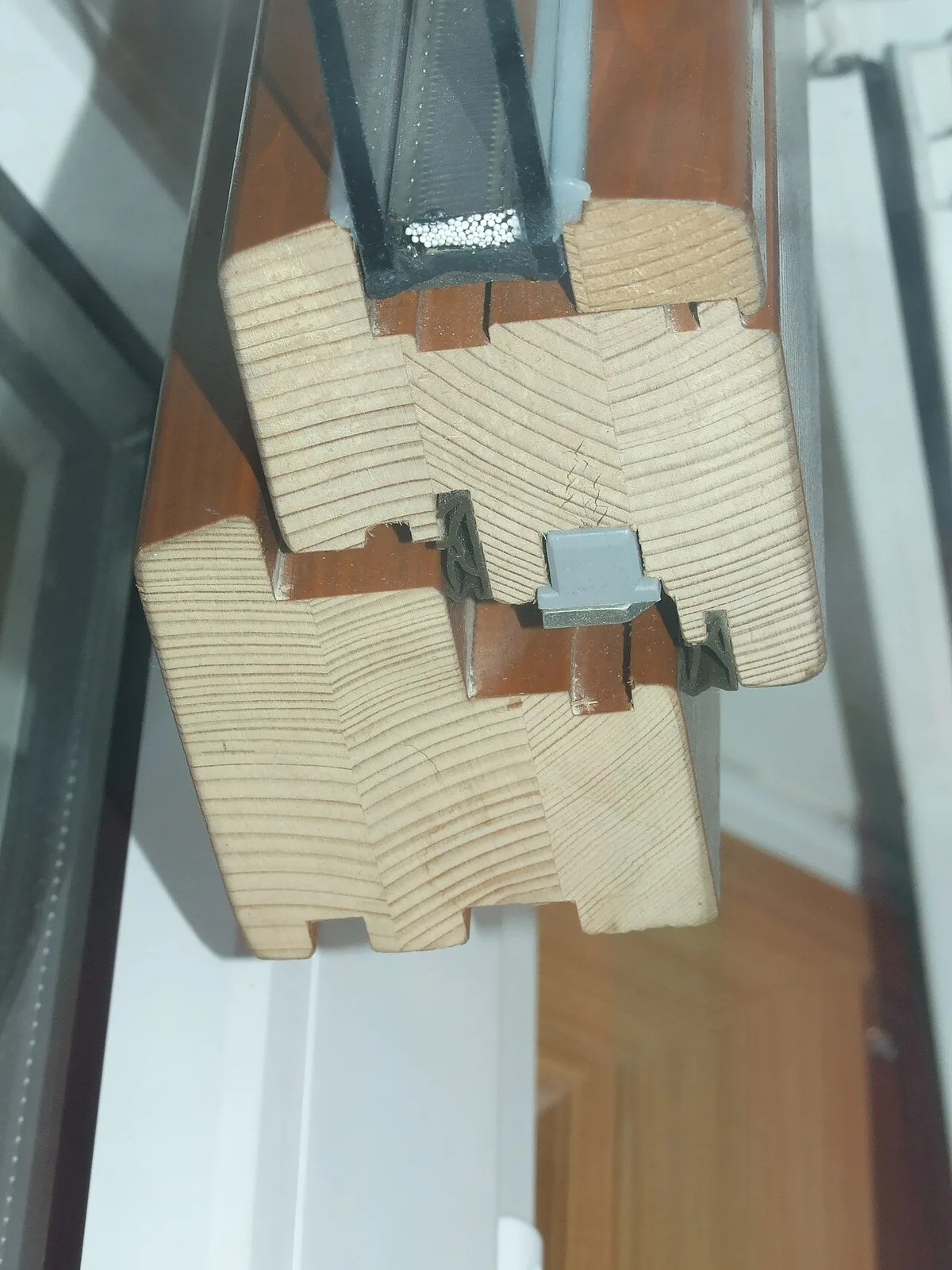
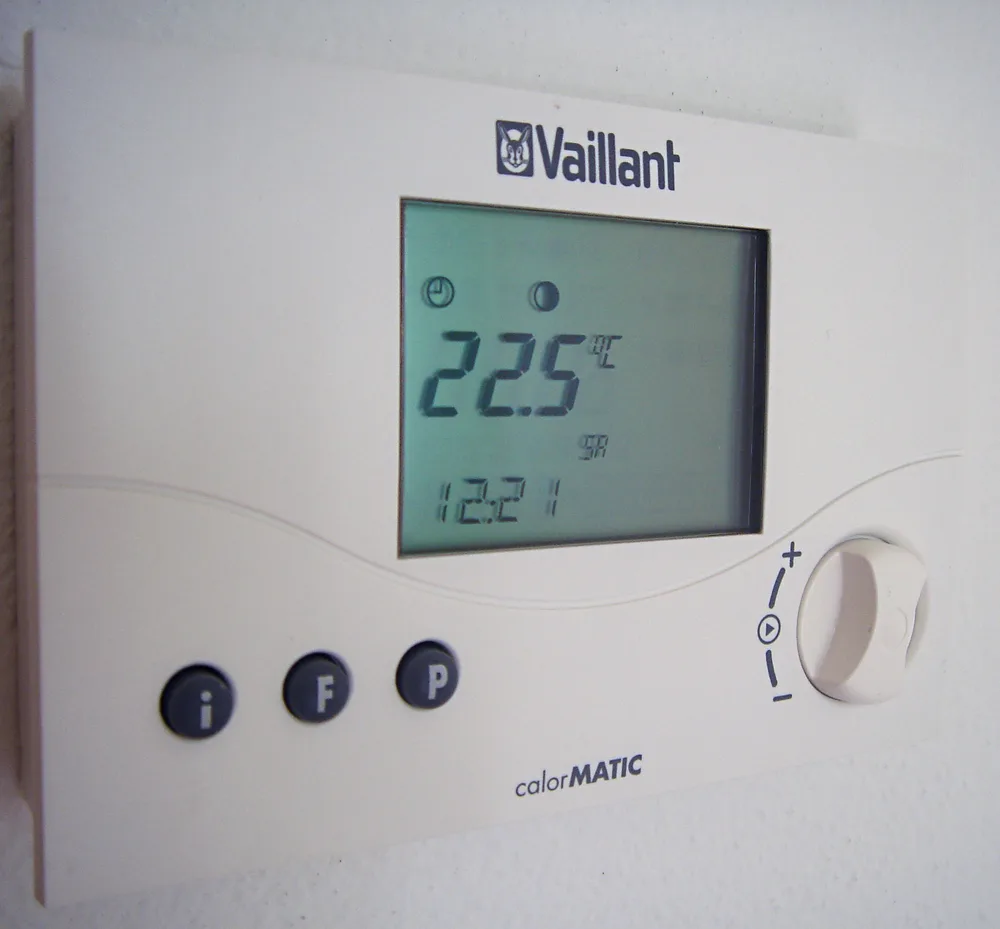
Ask for the exact model, configuration and relevant document. A window-film result should not be transferred to an unidentified glass assembly without assessment. The timber-profile photograph illustrates that the window has multiple components, while the thermostat photograph shows another kind of control entirely. Do not transfer a claim between unlike products because they are all marketed as energy saving. If the evidence covers a particular climate, operating assumption or configuration, keep that condition attached. Missing details should remain questions, not be replaced with a more convenient general statement.
Translate into money only with justified inputs
If you have an applicable energy difference, a relevant tariff can support a limited energy-charge calculation. In a purely invented example, 50 kWh at AUD0.30 per kWh corresponds to AUD15. That is not a current tariff, a product result or a prediction of the total bill. Fixed charges and other components may remain outside the calculation. Do not calculate a confident payback period from an unverified percentage and a partial purchase price. A precise-looking answer cannot repair inputs whose meaning or applicability has not been established.
Keep a claim checklist with the shortlist
Our review date is 2026-10-27. For each claim, retain the measure, baseline, method, exact product and conditions, along with any unresolved questions. This is a practical way to compare evidence without assuming that a larger percentage is always more useful. Watt & Window has not tested the depicted products or measured savings in your home. The result of the checklist may be a supported narrow claim, a scenario worth discussing with an adviser or a figure that should be excluded. Each outcome is more informative than accepting or rejecting a percentage without understanding it.
WFAANZ — WERS For Film ? Australian Government — Energy rating ?