Before choosing window film, describe the window
Describe the glass, room, exposure and intended outcome before comparing residential window-film proposals.
Updated:
Start with the room, not the advertised percentage
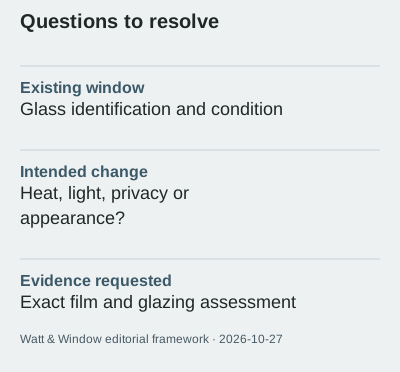
Write one sentence describing the problem you want to investigate. A living room that feels uncomfortable in afternoon sun is a different brief from a bedroom where you want less morning light. Avoid beginning with a product claim and then searching for a reason to buy it. Record the room, approximate time, season and existing curtains or shading. These observations help explain your experience; they do not establish the cause or predict a reduction in electricity use. A useful enquiry can remain short while being much more specific than asking for the best film.
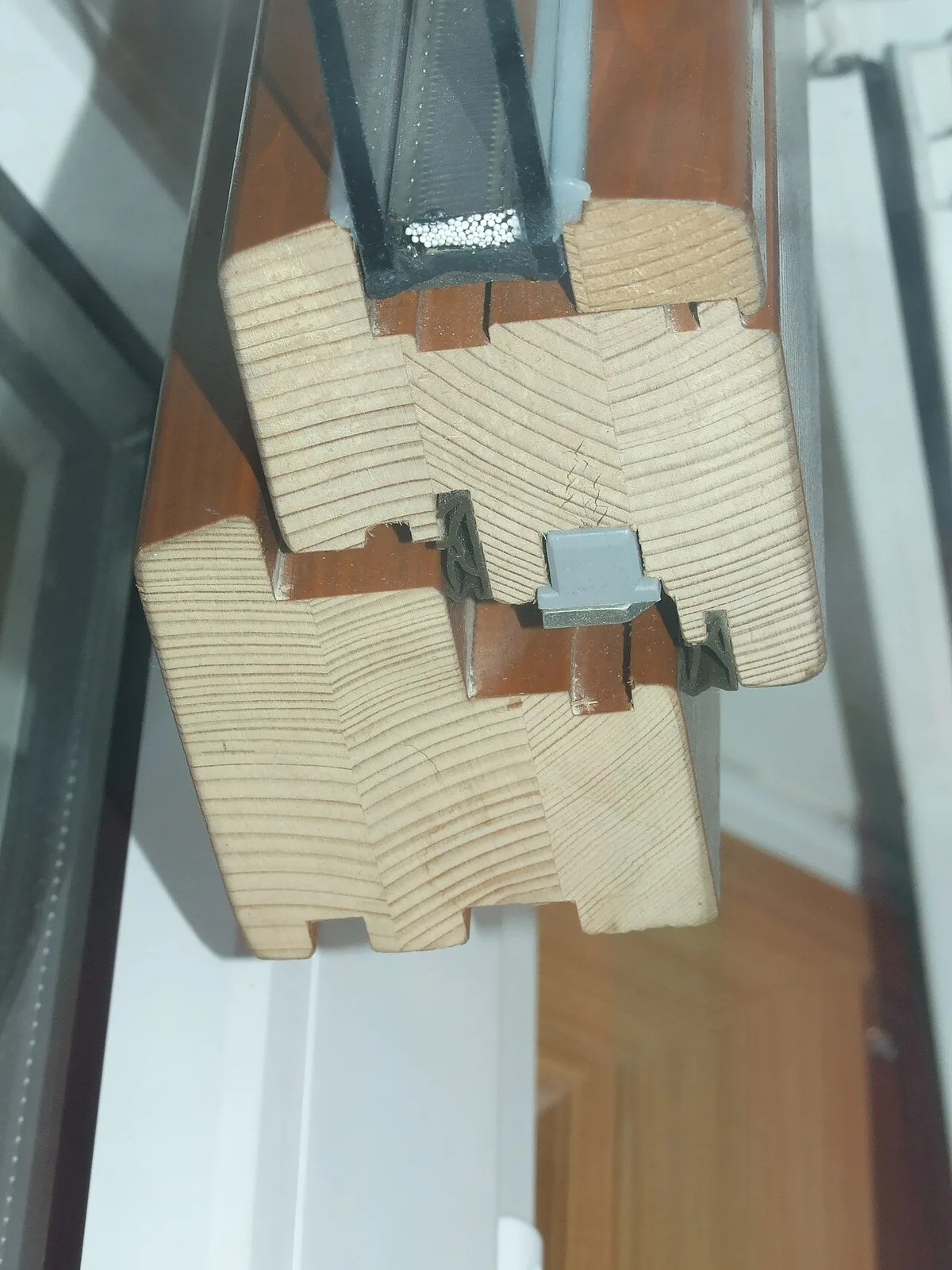
Identify the complete window
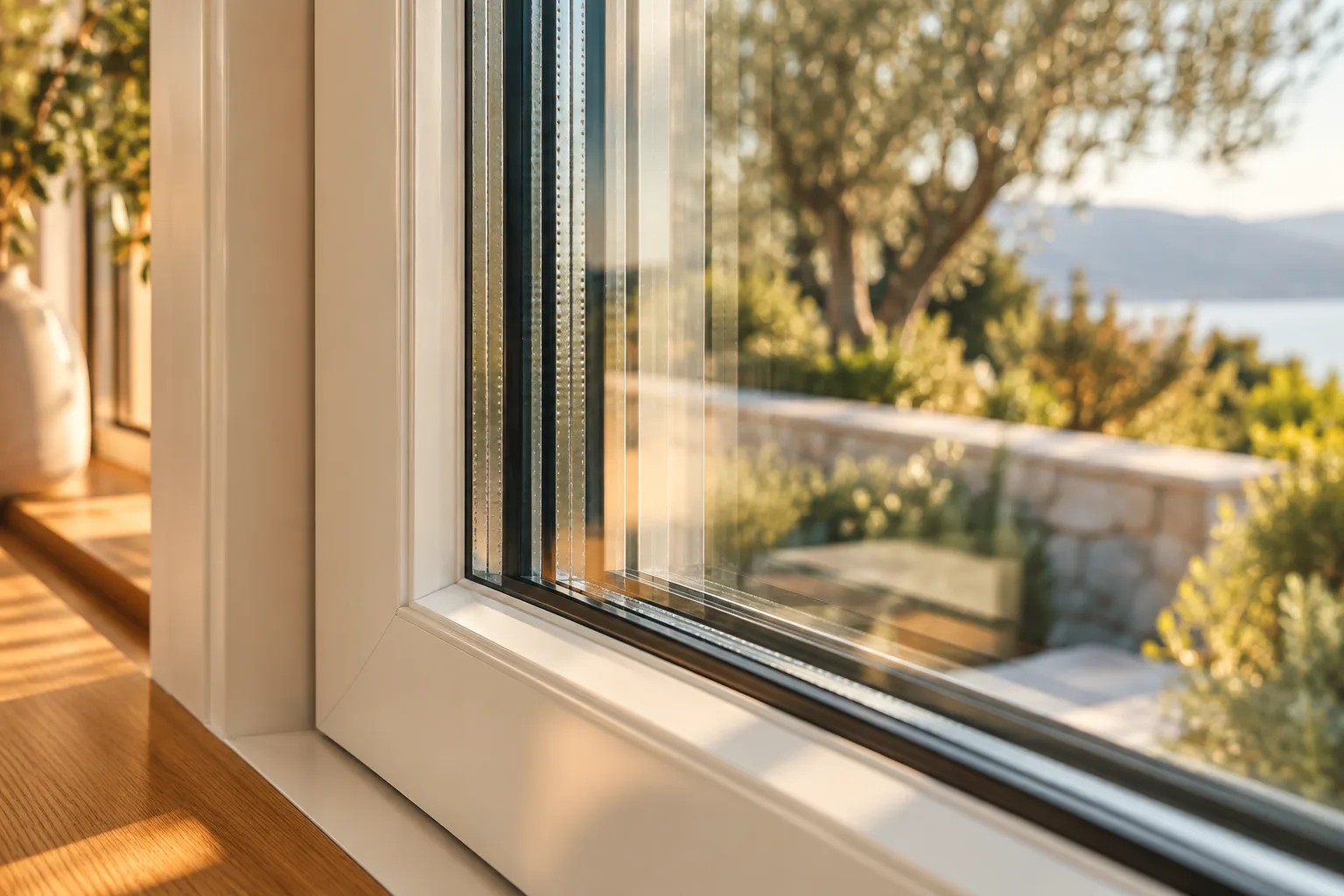
Your Home distinguishes the properties of glazing and the complete window, including its frame. It also discusses film suitability and thermal stress. Take photographs from a safe position and gather any existing glazing documentation for the installer. Do not identify glass construction from appearance alone or assume that a photograph proves compatibility. Ask the professional to record what they have assessed, including existing coatings, glass condition and any relevant warranty restrictions. The timber profile photograph below illustrates components; it is not a recommendation to apply film to that product or dismantle your own window.
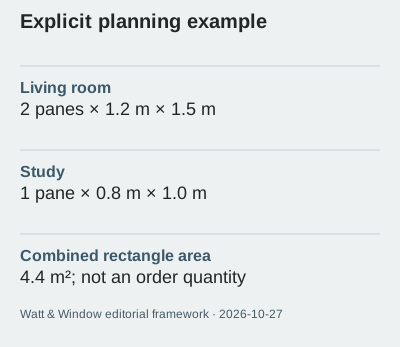
Create a labelled pane schedule
Give each window a simple identifier, such as L1 for the living room and S1 for the study. For an initial enquiry, note approximate visible pane dimensions and the number of separate panes without accessing unsafe heights. In a hypothetical schedule, two rectangles measuring 1.2 by 1.5 metres total 3.6 square metres, and one 0.8 by 1.0 metre rectangle adds 0.8. The combined 4.4 square metres is a communication aid, not a cutting layout or order quantity. The installer must confirm measurements and product requirements. Keep frames, divided panes and inaccessible areas visible in the notes.
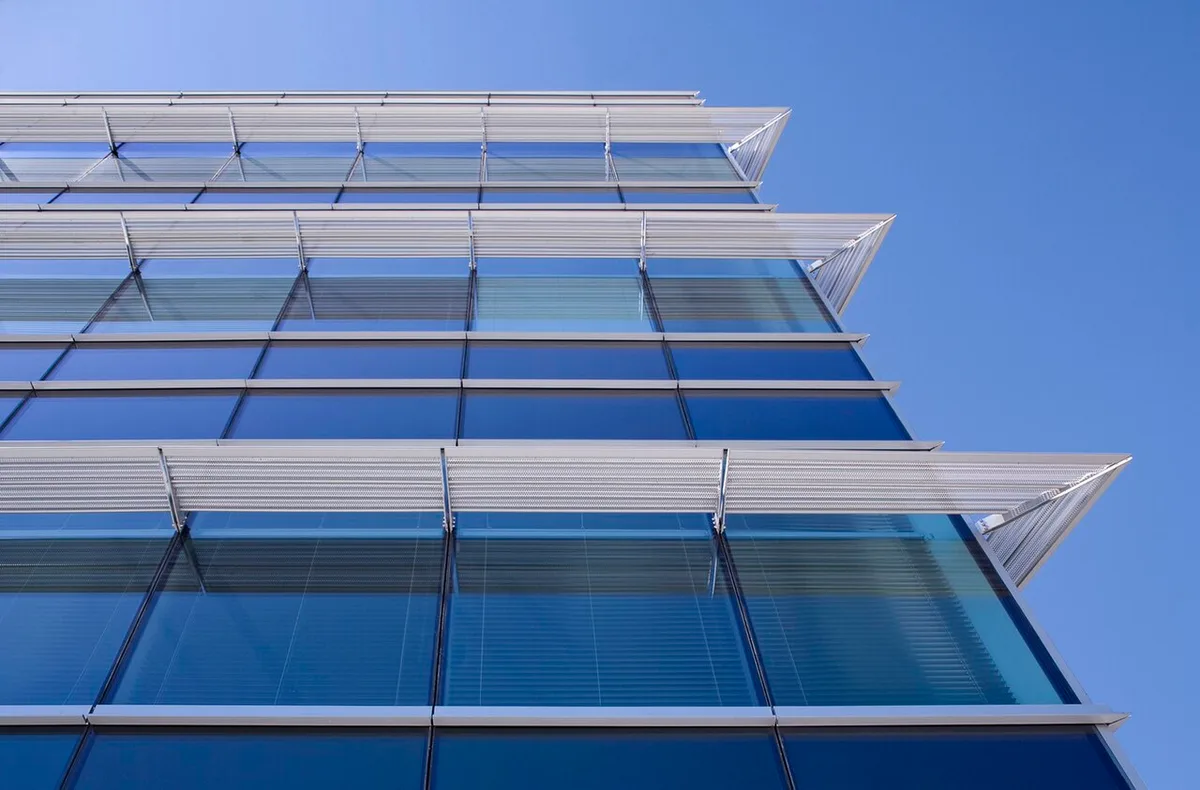
Keep the options open
External shading, existing window coverings and film are different interventions. Describe what is already present before asking for a proposal. The Denver office photograph shows external light shelves; it does not demonstrate residential savings or a suitable design for your home. Ask how the proposed option would affect the room at other times of day and in another season. If appearance or daylight matters to you, request an appropriate sample and written explanation of its limitations. An attractive promotional photograph cannot show every view, lighting condition or consequence for a particular room.
Ask for evidence tied to the proposal
WERS For Film provides a rating framework involving rated products and accredited installers. Ask whether the exact proposed product and installation are covered, and request the relevant documentation. Keep a simulated heating or cooling outcome separate from your own bill. A quoted 20% change in a hypothetical performance measure would not automatically mean a 20% reduction in total household charges. Ask what the percentage measures, what baseline it uses and which assumptions apply. If those details are absent, leave the comparison unresolved rather than filling the gap with an estimate.
Send one clear enquiry
Attach your labelled photographs, approximate pane schedule and desired outcome. Request the exact product identification, compatibility assessment, itemised scope and written warranty terms, including who handles a problem. Record exclusions such as access arrangements or preparation that still needs assessment. Our source review date is 2026-10-27; a later quotation should carry its own date and current terms. This guide supplies a research brief, not an installation procedure, glass-safety assessment or tested savings claim. Keep the unanswered questions alongside the quoted total so that a cheaper proposal is not mistaken for an equivalent one.