Window film and external shading solve different parts of the brief
Compare the purpose and scope of a glazing treatment and external shade before asking for like-for-like proposals.
Updated:
Start with a problem statement
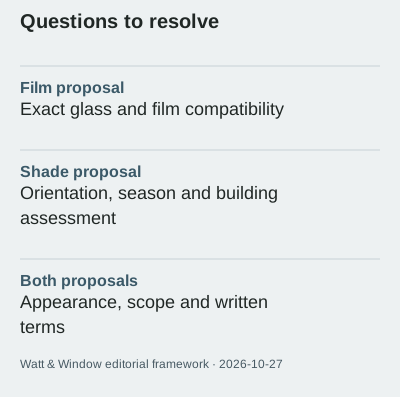
A film quote and a shade quote can look like competing prices while addressing different parts of a home. Write the intended outcome before requesting either. You might want to investigate afternoon glare at a desk, seasonal sun through a living-room window or the appearance of a facade. Keep these goals separate, because success for one does not automatically prove success for another. Include when the room is occupied and what is already fitted. A clear brief helps an adviser identify whether the proposed product actually addresses the observation that prompted the enquiry.
Describe where the intervention sits
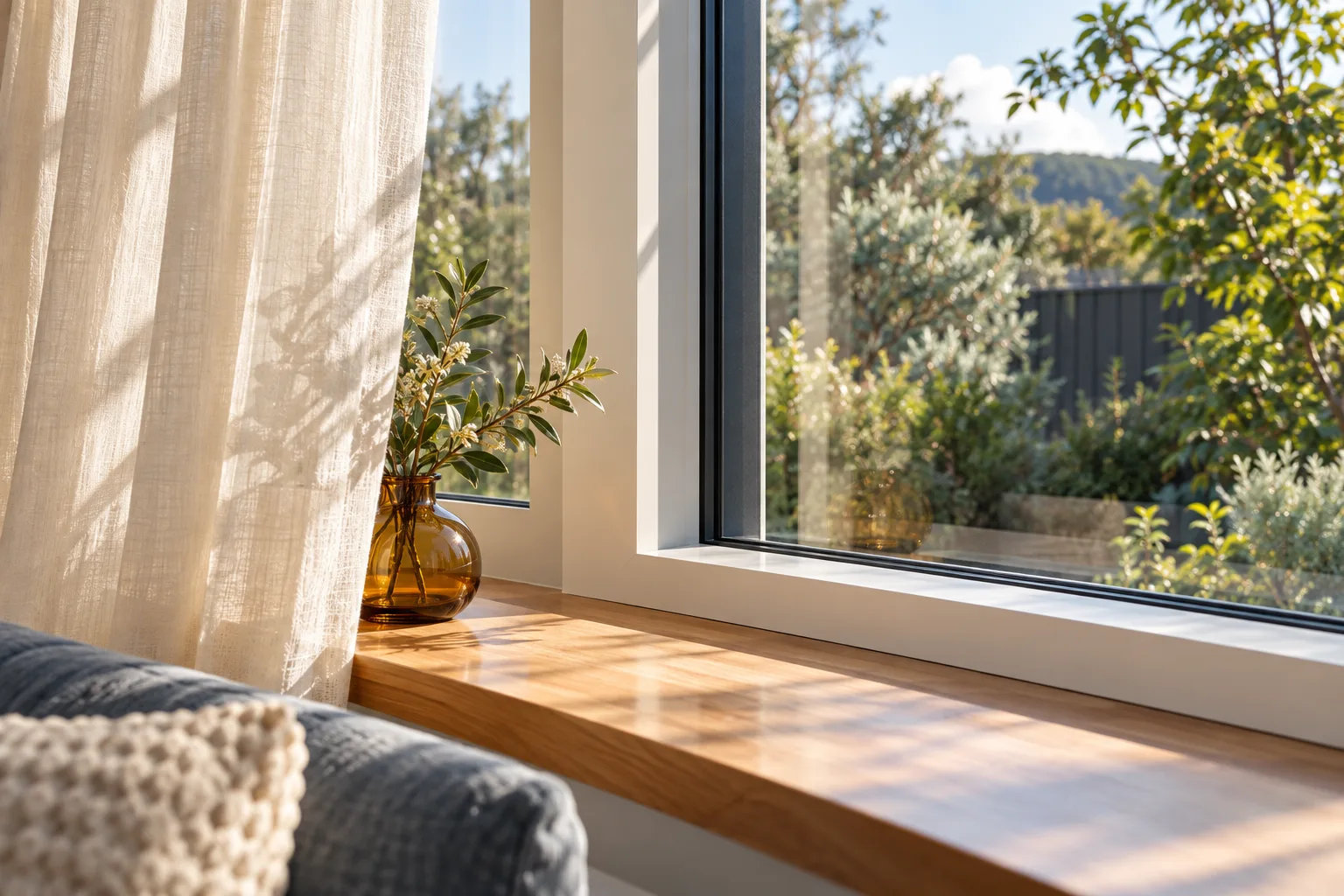
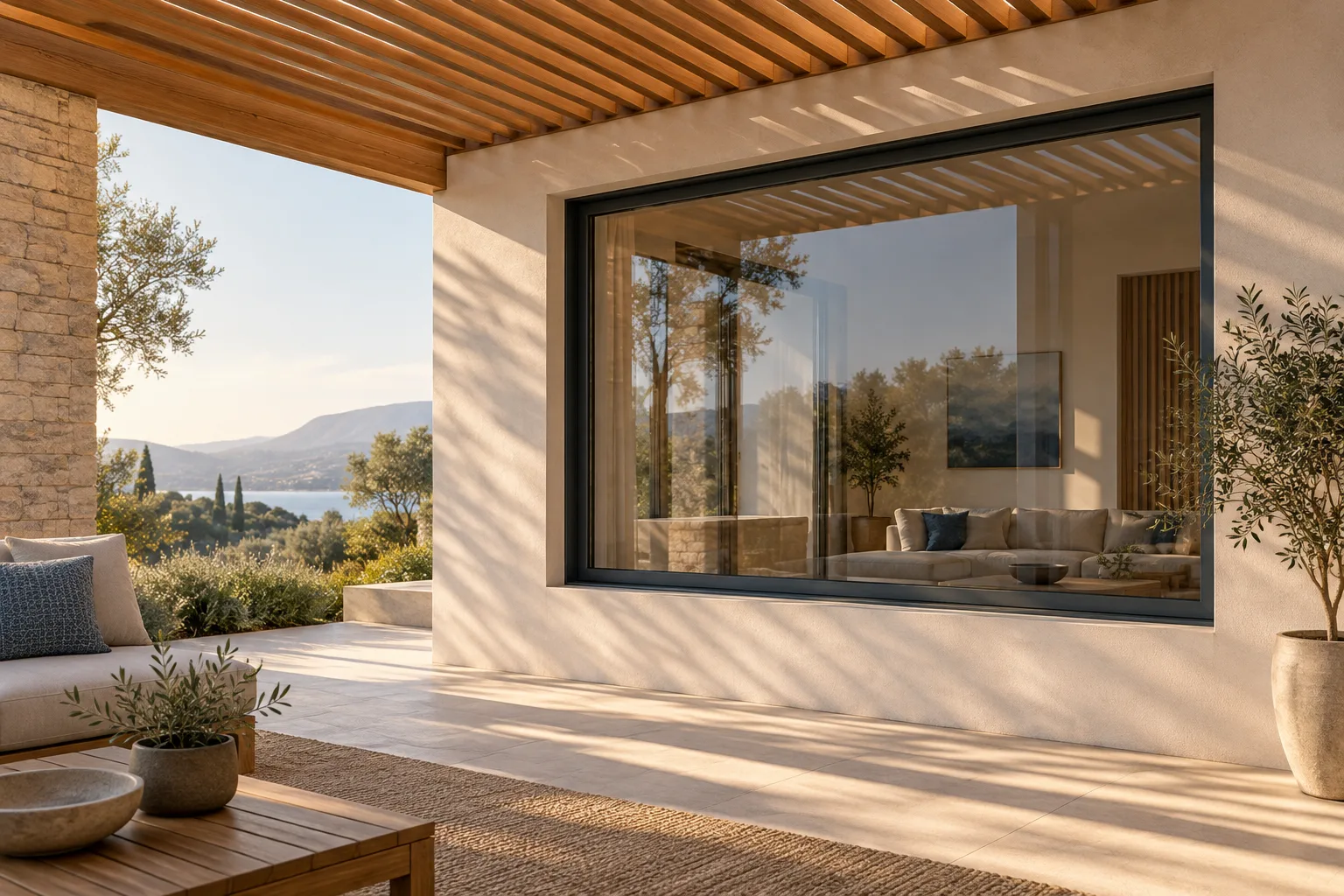
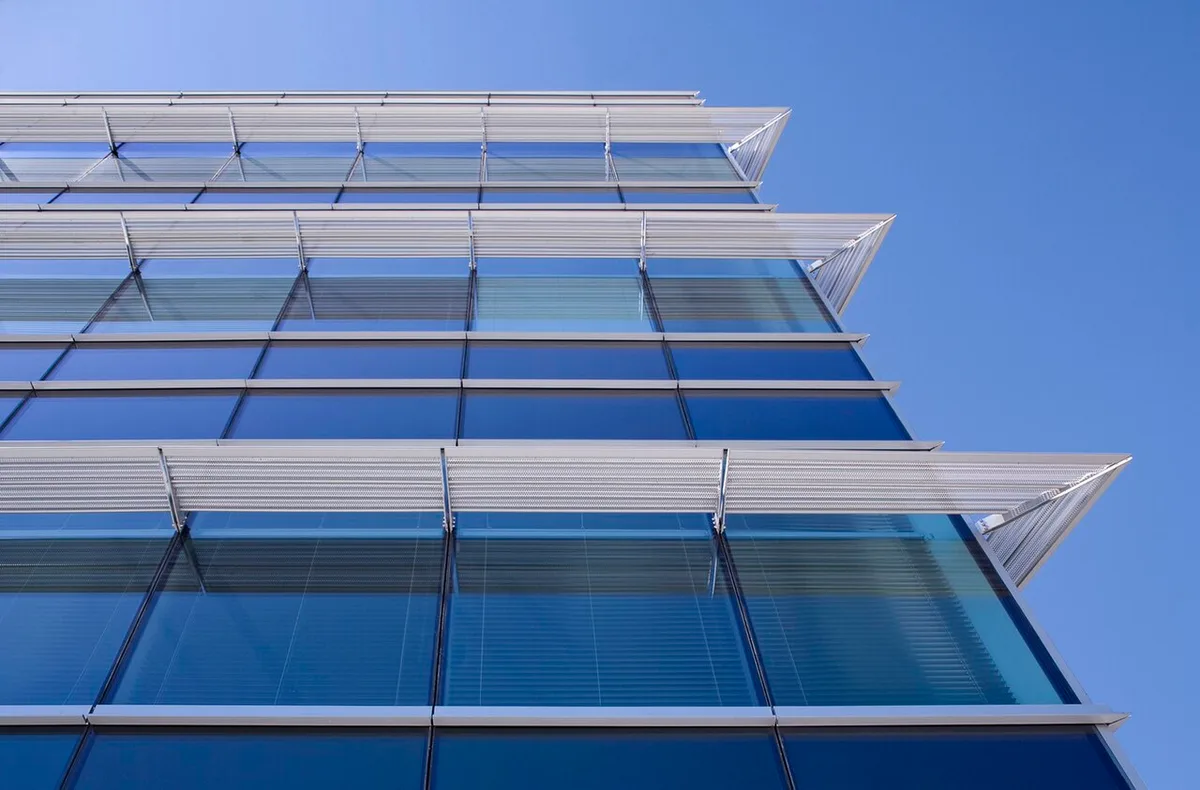
Film changes a glazing assembly; an external shade sits outside it. Your Home discusses shading in relation to orientation, climate and season. Its glazing guidance addresses the properties and suitability of glass treatments. Those distinctions are enough to explain why one product description cannot stand in for the other. The Denver light-shelf photograph is a real example of an external element above glazing, but it is an office building in the United States. It supplies a visible example of location and form, not a residential design or an Australian performance benchmark.
Use scenarios without inventing performance
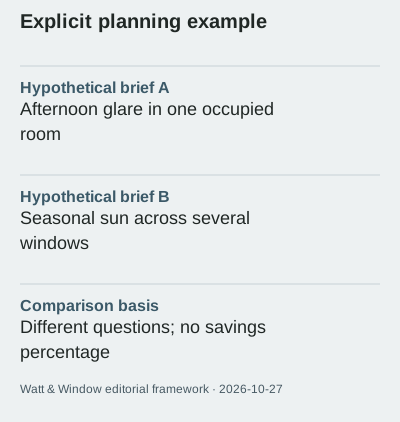
Imagine two enquiries. Brief A concerns one desk used for 3 hours in the afternoon. Brief B concerns a living area used at different times across the year. These are invented occupancy descriptions, not inputs to a validated energy model. Giving each option a score such as 80% effective would add false precision unless the measure and evidence were defined. Instead, list the questions each proposal must answer. For A, ask about the view and daylight at the desk. For B, ask how the proposal behaves in different seasons and whether it can be adjusted.
Keep the existing building in view
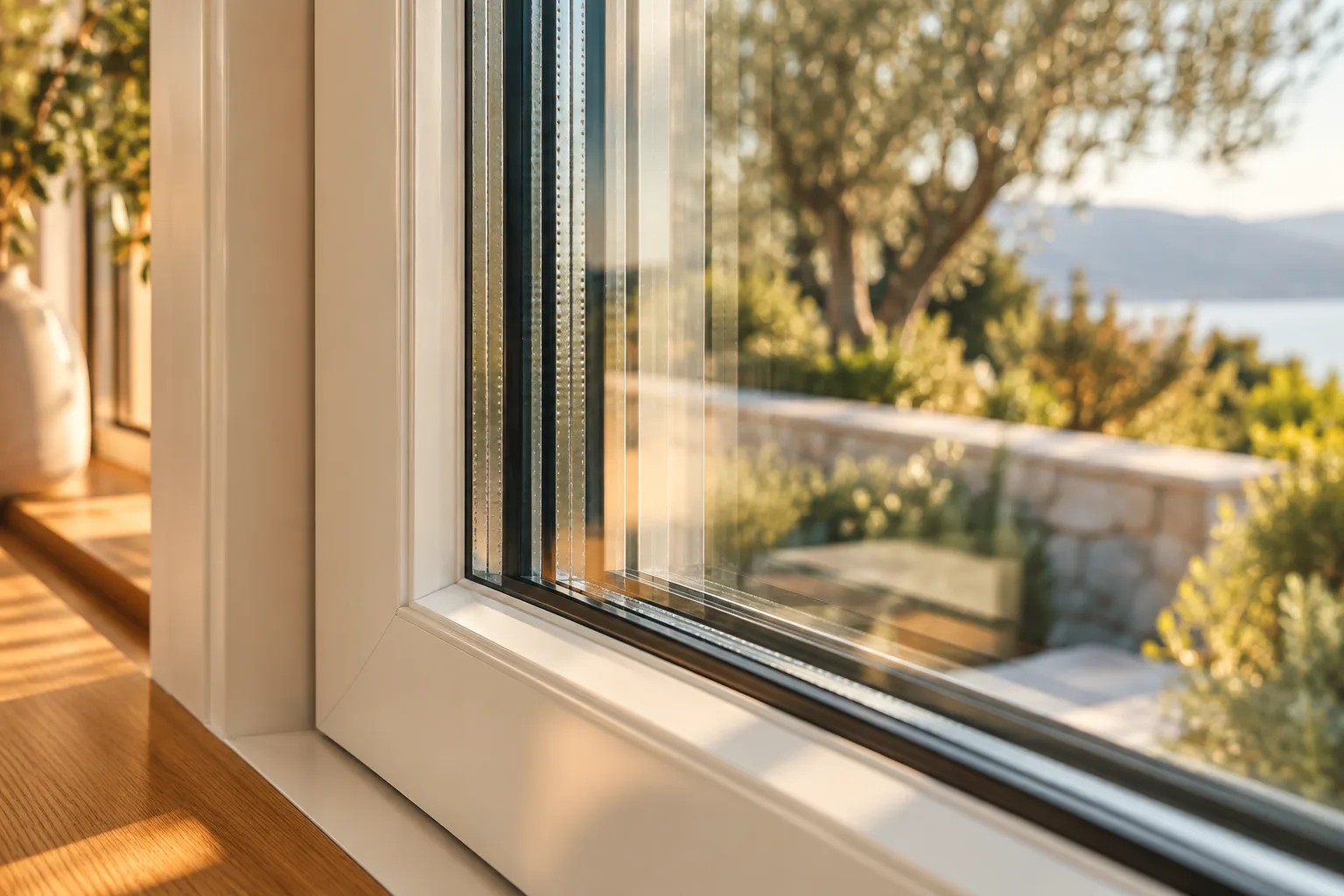
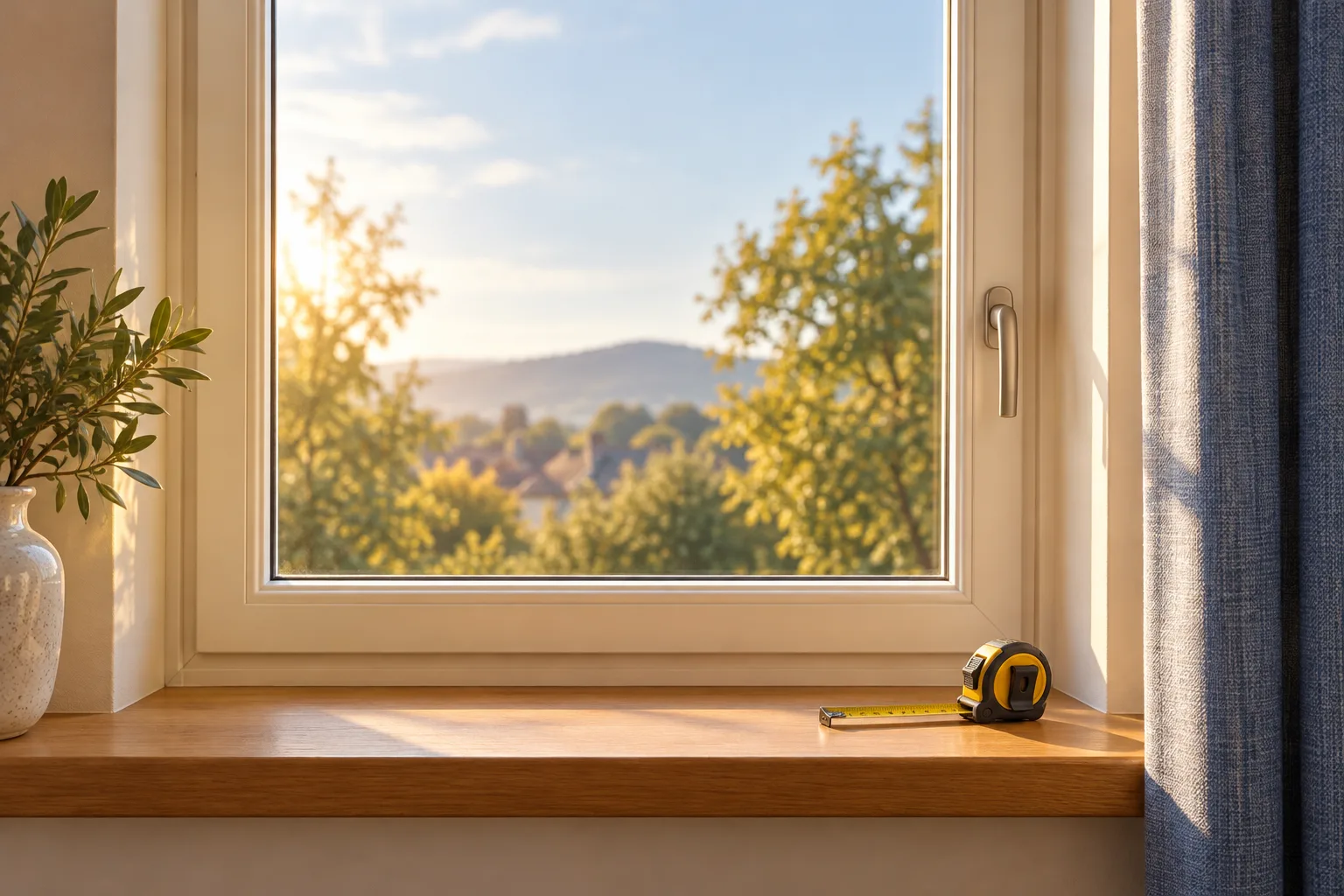
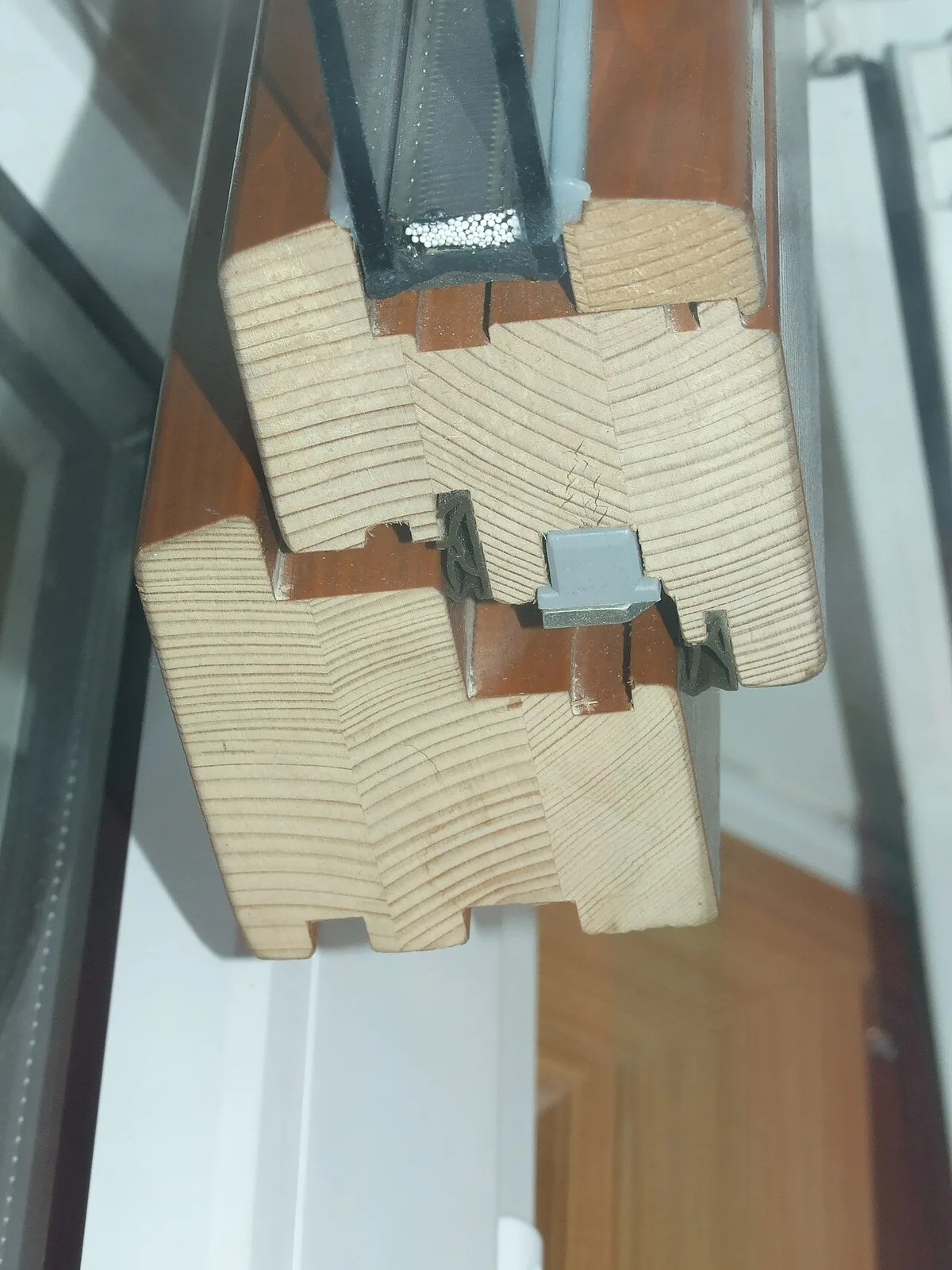
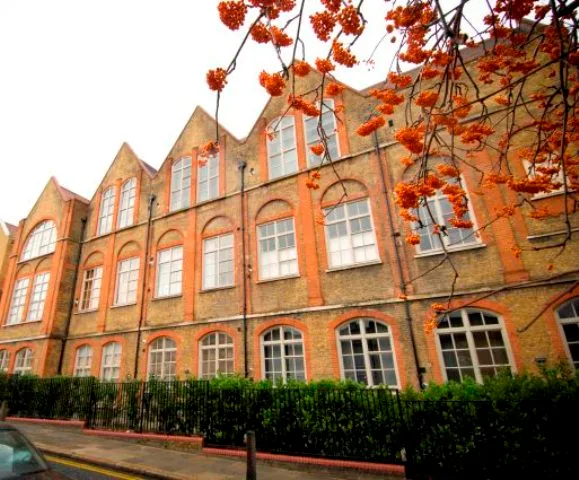
Record existing curtains, blinds, overhangs and nearby obstructions in photographs and notes. Do not infer a complete shading design from a phone photograph or calculate structural fixings from an online article. Film also requires a compatibility assessment of the actual glass, not merely a rough area measurement. The cutaway photograph shows that glazing belongs to a wider window assembly. The casement facade illustrates repeated openings that may need individual consideration. Neither image proves that a particular treatment can be added to your home or that all windows should receive the same intervention.
Compare complete proposals
Ask each supplier to identify what is included, what remains subject to assessment and which written terms apply. Separate a fixed treatment from an adjustable one in your notes, and record any operating or maintenance requirements supplied for the exact product. If a quotation claims a 25% improvement, request the named measure, baseline and assumptions before comparing it with another percentage. A percentage attached to solar gain is not interchangeable with one attached to annual energy cost. Leave unsupported figures out of your decision table rather than converting them into a common-looking score.
Choose the next question before the product
The useful result of this comparison may be a professional assessment rather than a purchase. That is a legitimate outcome when the building details are unresolved. Our sources were reviewed on 2026-10-27; obtain current product documentation and a dated scope for your own enquiry. This guide does not rank film above shading or supply an installation method. It helps you keep different interventions, evidence and costs distinct enough to discuss them clearly. Save the unresolved questions with the quotes so they remain visible when an attractive price arrives.