Ask what a shade will do in more than one season
Ask how a shading proposal relates to orientation, time and season before judging it from one attractive photograph.
Updated:
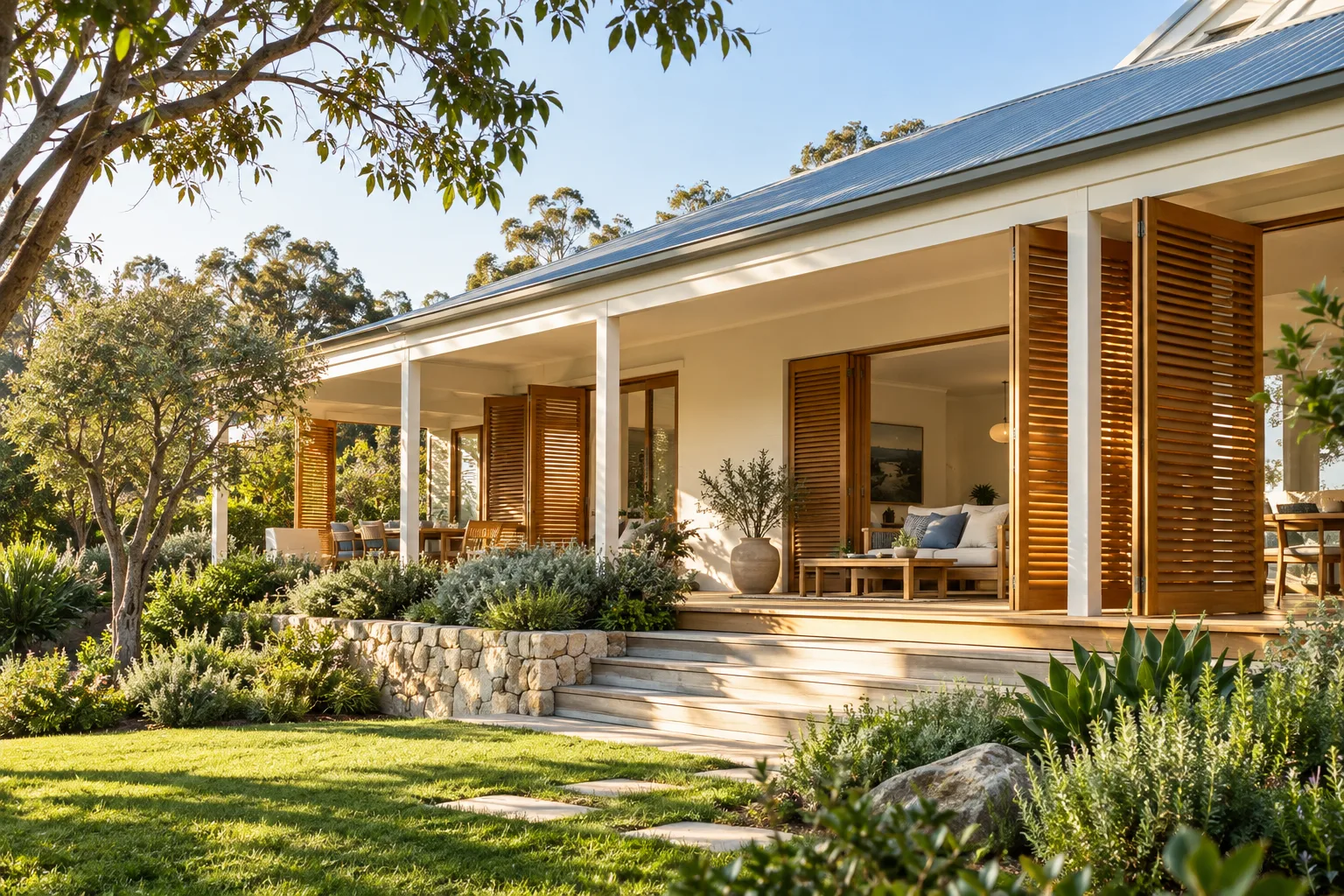
A photograph captures one moment
A shading photograph can show form and appearance, but it captures a particular moment. It does not explain what happens at every hour or throughout the year. Begin an enquiry by identifying the room and the concern, then note when it matters. If you have observed only an afternoon in one season, say so. This is more useful than presenting a confident year-round conclusion. A clear description lets an adviser explain what additional information is needed before proposing a design or making a performance claim.
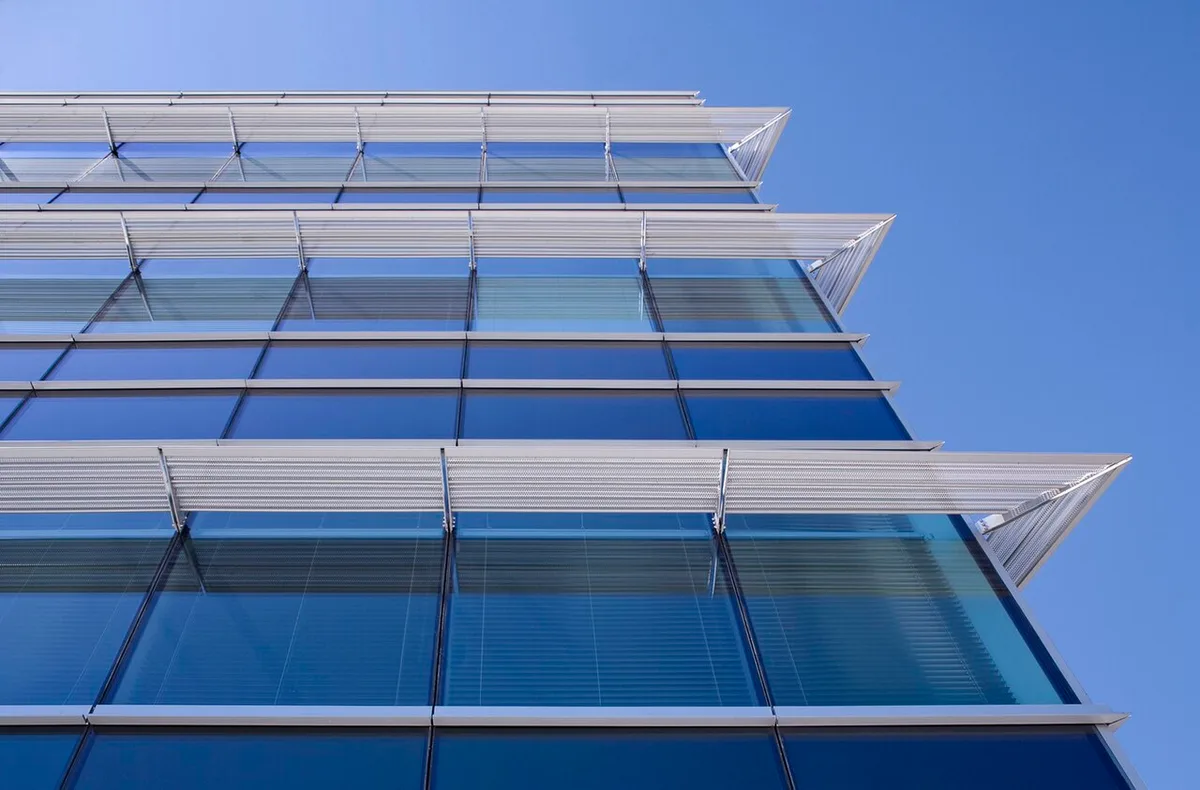
Ask about orientation and seasonal purpose
Your Home discusses shading in relation to orientation, climate and season. Use that framework to ask what the proposed design is intended to achieve in your setting. Do not copy dimensions from an unrelated building or assume that a shade suited to one facade will suit another. The Denver office photograph shows external light shelves above glazing; it is not a residential construction drawing. Ask the relevant professional to explain the design assumptions and any trade-offs in daylight, view, access or appearance that matter to your household.
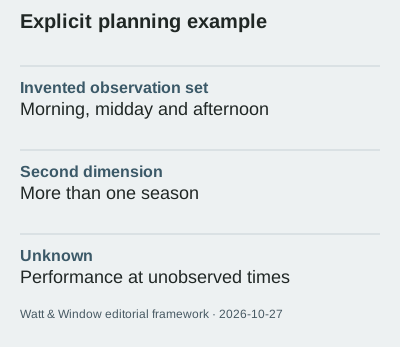
Build an observation table with honest gaps
An invented table might have morning, midday and afternoon columns, with a separate row for each observation date. If you have completed 3 of 6 planned observations, the table is 50% filled; that is a record-keeping figure, not an effectiveness rating. Leave the remaining cells blank. Do not manufacture seasonal observations to make the table look finished. Notes taken from safe, ordinary positions can still support a useful conversation. Include existing curtains or blinds and whether they were open, so the observed conditions are not confused with the effect of a proposed new shade.
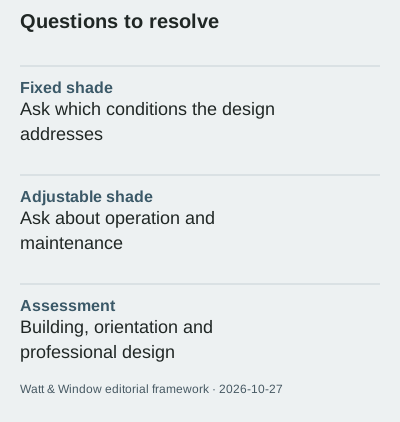
Distinguish fixed and adjustable proposals
A fixed element and an adjustable element can involve different questions. For a fixed proposal, ask which conditions the design addresses and what remains outside its scope. For an adjustable one, ask how it is operated, what maintenance is specified and whether the intended users can manage it. These questions do not establish structural suitability or product durability. Obtain current documentation for the exact system and any required professional assessment. No fastening, structural or access instructions are provided here, and no universal shade depth is calculated from a generic window size.
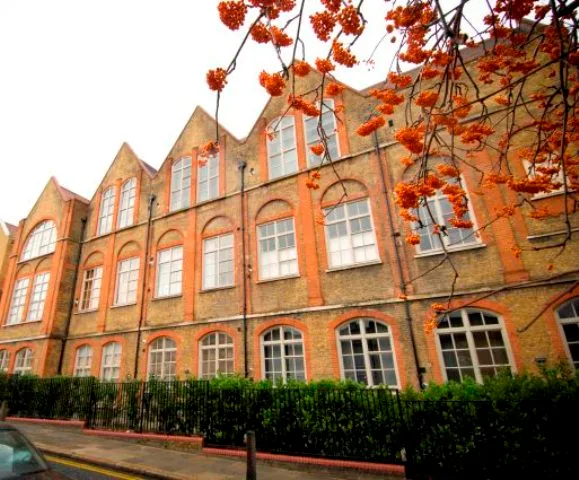
Keep glazing and shading evidence distinct
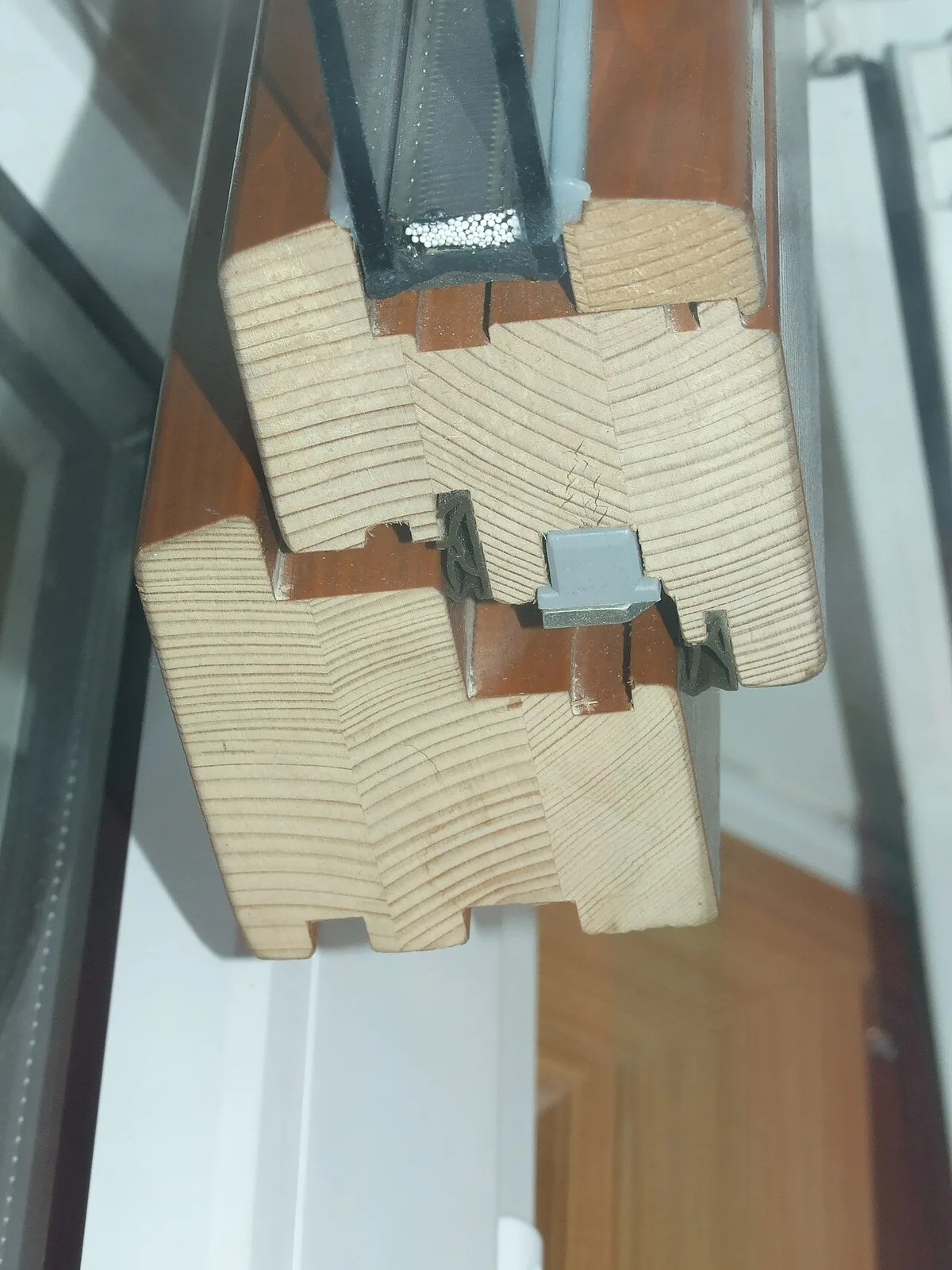
The cutaway window photograph illustrates that the window is an assembly, while the casement facade shows repeated openings. A shading proposal may interact with those features, but it is not the same as a glazing rating. Do not compare a percentage from a film document with an unlabelled shade claim as though they measured the same result. Ask what each number describes and whether the baseline, climate and method align. If the evidence does not support a common calculation, compare the documented scope and unresolved questions rather than inventing a numerical ranking.
Request an explanation you can retain
A useful proposal should leave you able to describe its purpose in plain language. Save the dated drawings, product identification, scope and limitations with the quotation. Our source review date is 2026-10-27; your site assessment and current product details need their own verification. This guide does not predict annual energy savings or endorse the building shown in a photograph as a template. It helps you ask whether a shade has been considered across the conditions that matter, rather than judged only by the most attractive view of it.