Build a reversible energy-improvement brief for a rental
Prepare an observation and permission brief before making product changes to a rented home.
Updated:

Separate an observation from a proposed alteration
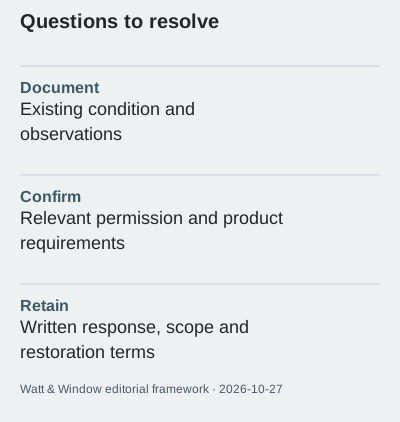
In a rented home, start by describing the concern before buying an energy product. Record the room, when the issue occurs and the existing condition using ordinary photographs taken safely. A note about afternoon glare or air movement is different from a request to apply film or attach a seal. Keeping them separate gives the property contact a clearer opportunity to assess the concern and consider options. This guide does not state tenancy rights or permission rules, which depend on the applicable arrangements and jurisdiction and should be checked through the appropriate official channel.
Identify the exact change being considered
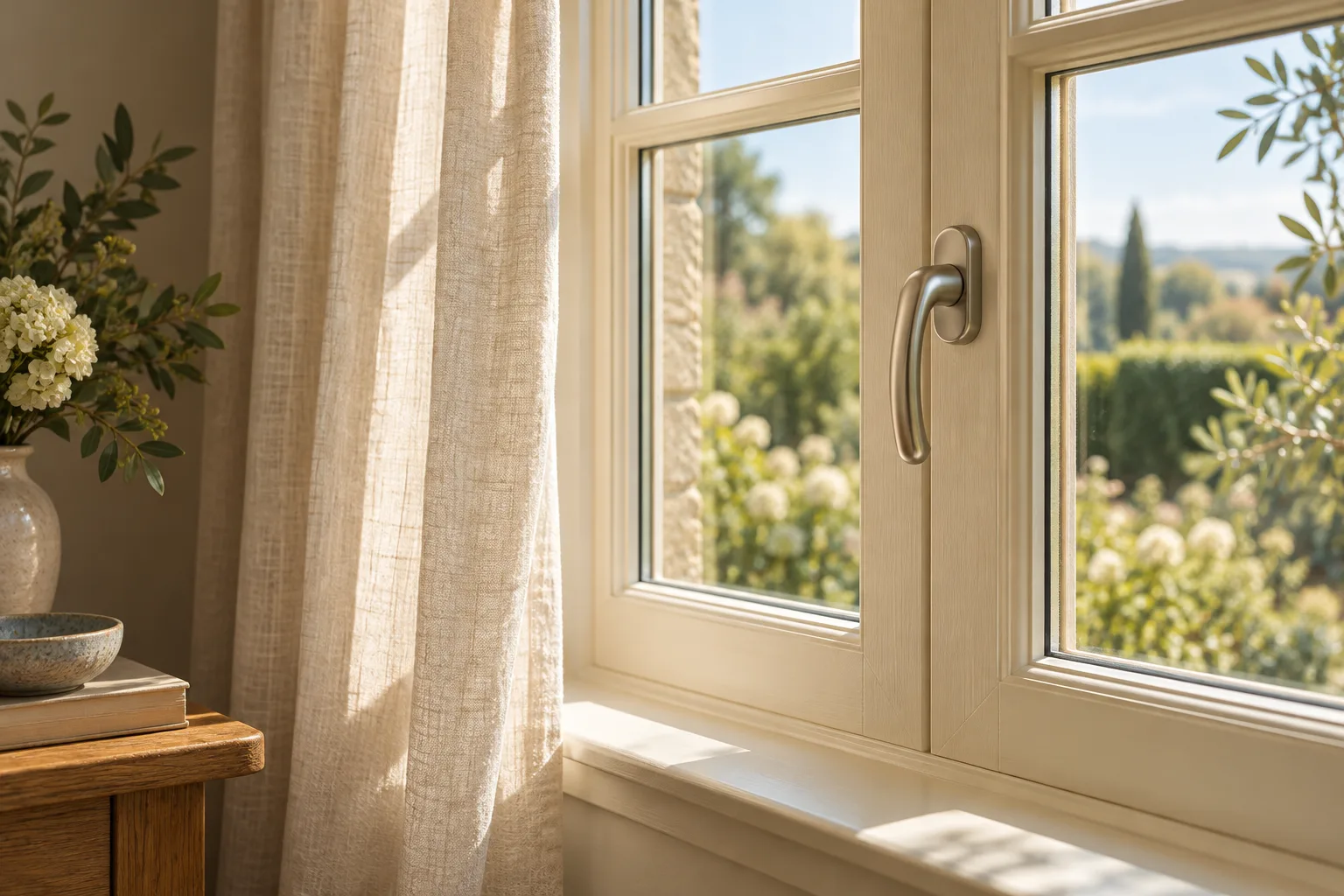
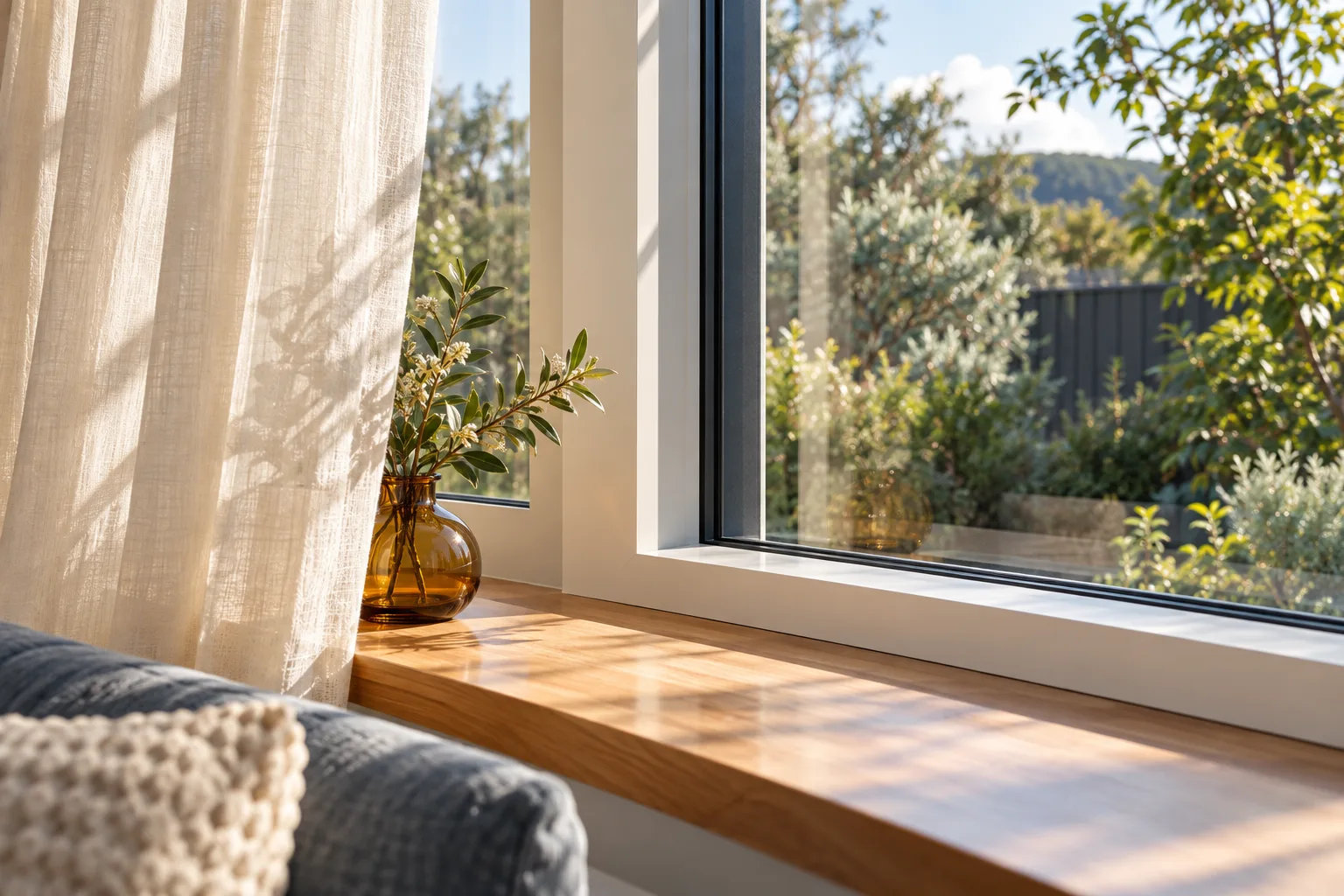
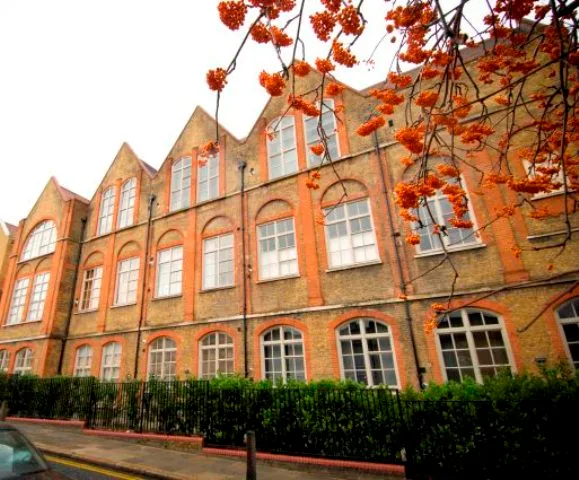
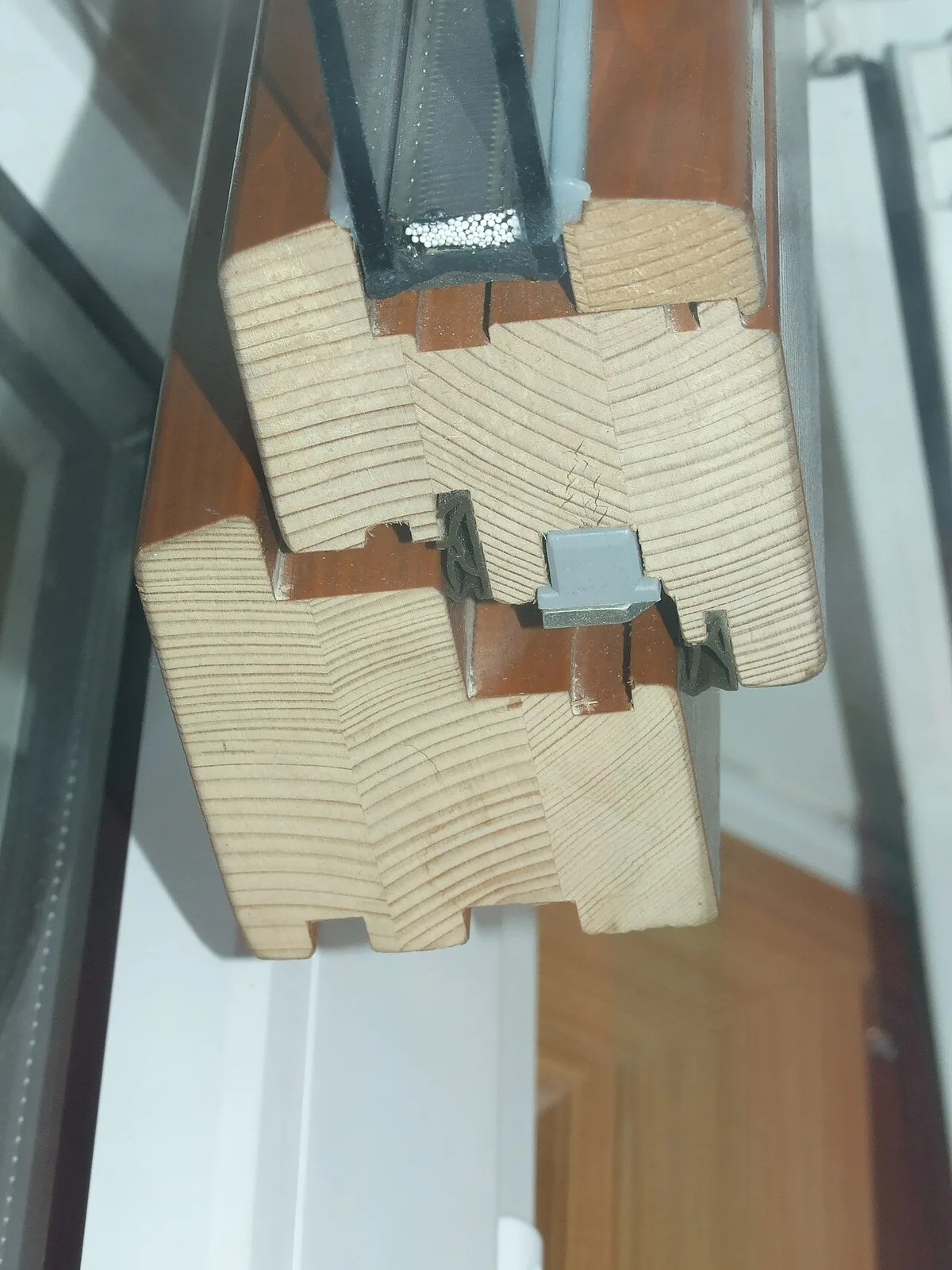
If you propose a product, name the exact item and intended location rather than using a broad phrase such as energy upgrade. Include the manufacturer documentation available to you. Do not assume that a product described as removable is suitable for every surface or leaves no trace. Window-film suitability depends on the actual glazing and assessment, not simply on whether a listing says easy to remove. Your Home discusses glazing treatments and their limitations. The timber-profile photograph illustrates a complete assembly, not permission or technical approval to alter a particular rented window.
Write a brief that is easy to answer
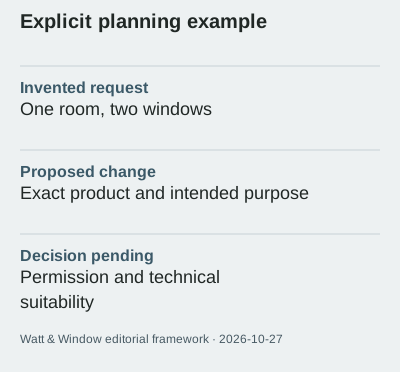
An invented request might concern 1 room with 2 windows, identified as W1 and W2. Attach labelled photographs and distinguish observations from proposed work. If only one window has documentation, do not assume the other is identical. A response covering 50% of the listed windows is not approval for the remainder. Ask for a written answer that identifies the agreed scope and any conditions. Keep access, installation responsibility and later restoration questions visible. A short, specific request can prevent a general conversation from being misremembered as agreement to a more extensive change.
Keep ventilation and building requirements visible
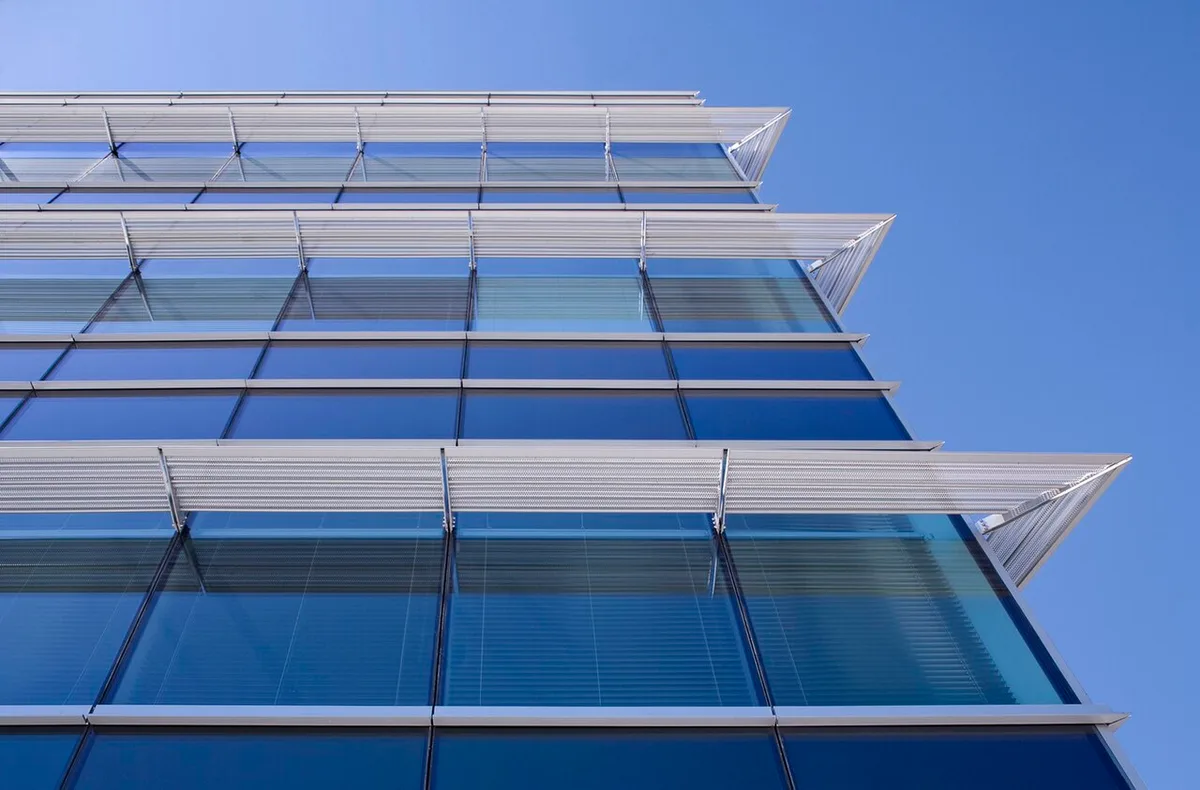
Draught-related changes need particular care because unwanted leakage and required ventilation are not interchangeable. Australian Government guidance flags ventilation and gas-appliance considerations. Do not block vents or alter systems while waiting for a response. Ask the property contact to arrange appropriate assessment where the purpose of an opening or the condition of equipment is unclear. The casement photograph shows openings that can be labelled, while the external shade photograph shows a different type of building intervention. Neither proves that a similar change is permissible or suitable in your home.
Compare options only after the constraints are clear
Once the relevant permission and technical questions are answered, compare the actual scope and written terms. A low product price may omit assessment, fitting, removal or making good. No costs or savings are assumed here. If a proposal claims a percentage benefit, request the measure and evidence rather than treating it as a reason to bypass the unresolved conditions. You may find that documenting the issue leads to a maintenance assessment rather than a new accessory. That is still a useful outcome when the original concern has been clearly communicated.
Save the correspondence with the product information
Keep dated copies of the request, response, agreed scope and any professional advice. Our source review date is 2026-10-27, and this article supplies a communication framework rather than legal advice or installation instructions. Check current official tenancy guidance for the relevant location if permission or responsibilities are disputed. Do not infer consent from silence or from a generic product description. A complete brief should make it clear what was observed, what was requested, what was agreed and which questions still need an answer before any work begins.
Australian Government — Insulation and draught proofing ? Your Home — Glazing ?