Start a thermostat shortlist with the existing system
Gather exact equipment details and the functions you need before buying a replacement or connected thermostat.
Updated:
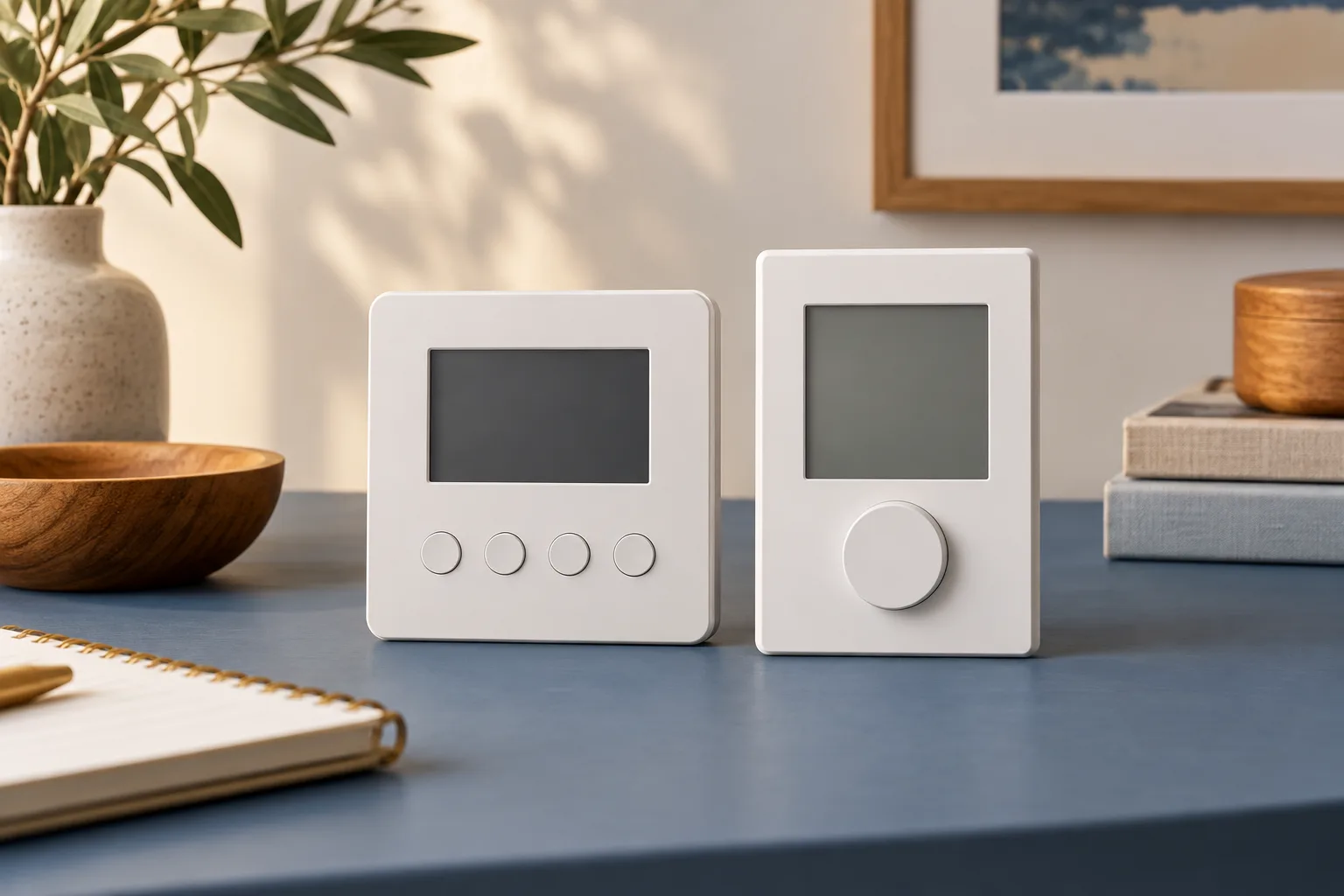
Find the equipment identity first
A thermostat shortlist should begin with the system already installed. Gather the model information that is available in existing paperwork or safely visible labels without opening equipment. Include the current controller model as well as the heating or cooling system. A brand name alone is an incomplete description: different products from the same company can have different requirements. If the information is unclear, ask a qualified service provider to identify it. Do not remove a controller from a wall or inspect wiring to make an online comparison feel more complete.
Describe the functions you actually need
Write down what is difficult about the present arrangement. Perhaps the schedule is awkward to understand, another household member needs a simpler control, or you want to know whether separate zones are supported. These are different requirements from wanting a device that looks modern. The Australian Government smart-home guidance discusses compatibility and connected control; it does not certify an arbitrary combination of products. Turn each desired function into a question for the supplier. Ask whether it is available with your exact system and what additional equipment or professional work would be needed.
Use an evidence column instead of a compatibility guess
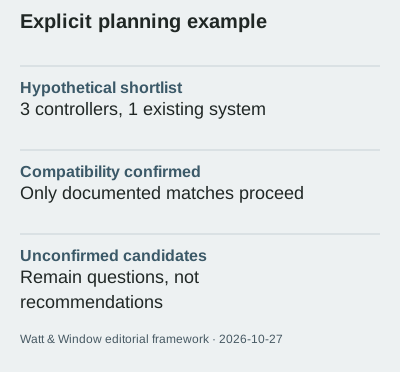
Imagine a shortlist of 3 controllers and 1 existing system. For each candidate, add the manufacturer document or written supplier confirmation that supports the match. A blank evidence column means compatibility remains unconfirmed, even if a marketplace description says universal. Do not convert that word into a 100% compatibility claim. Record whether an answer covers all functions or only a limited operating mode. A controller that can turn a system on is not necessarily documented to preserve every existing feature, and a photograph cannot resolve that distinction.
Read the display without overinterpreting it
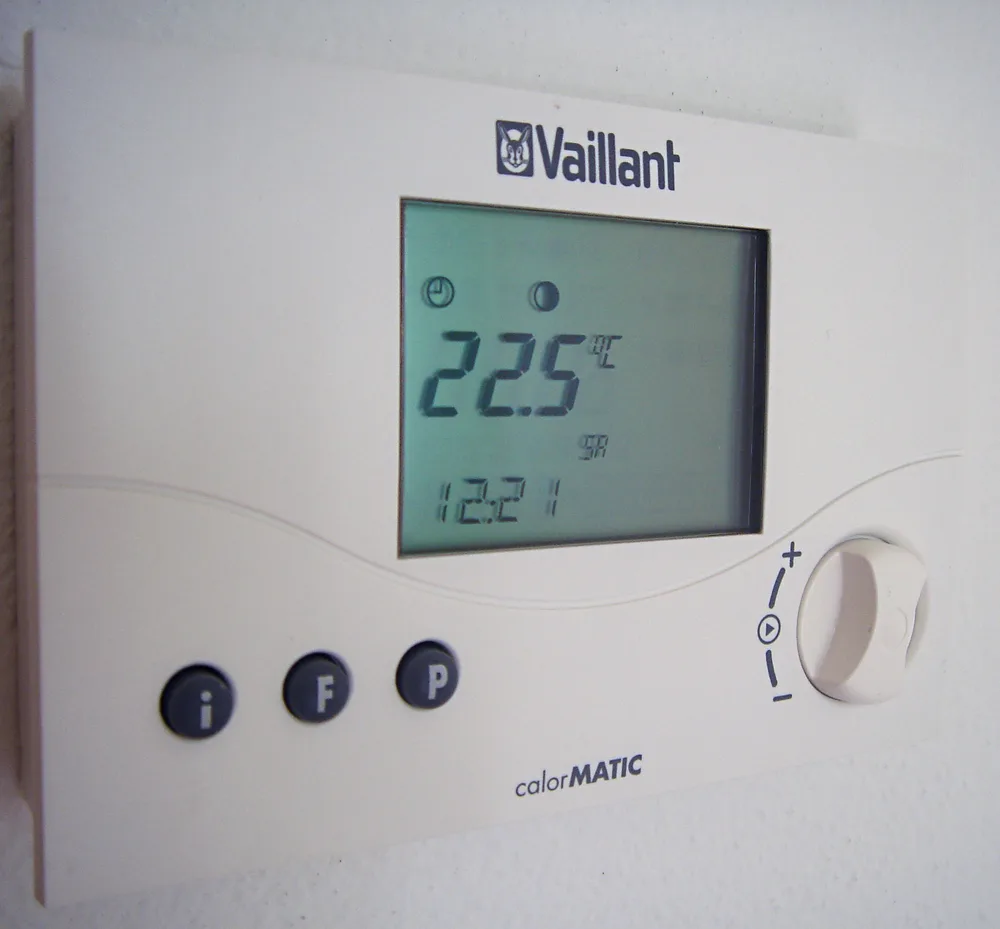
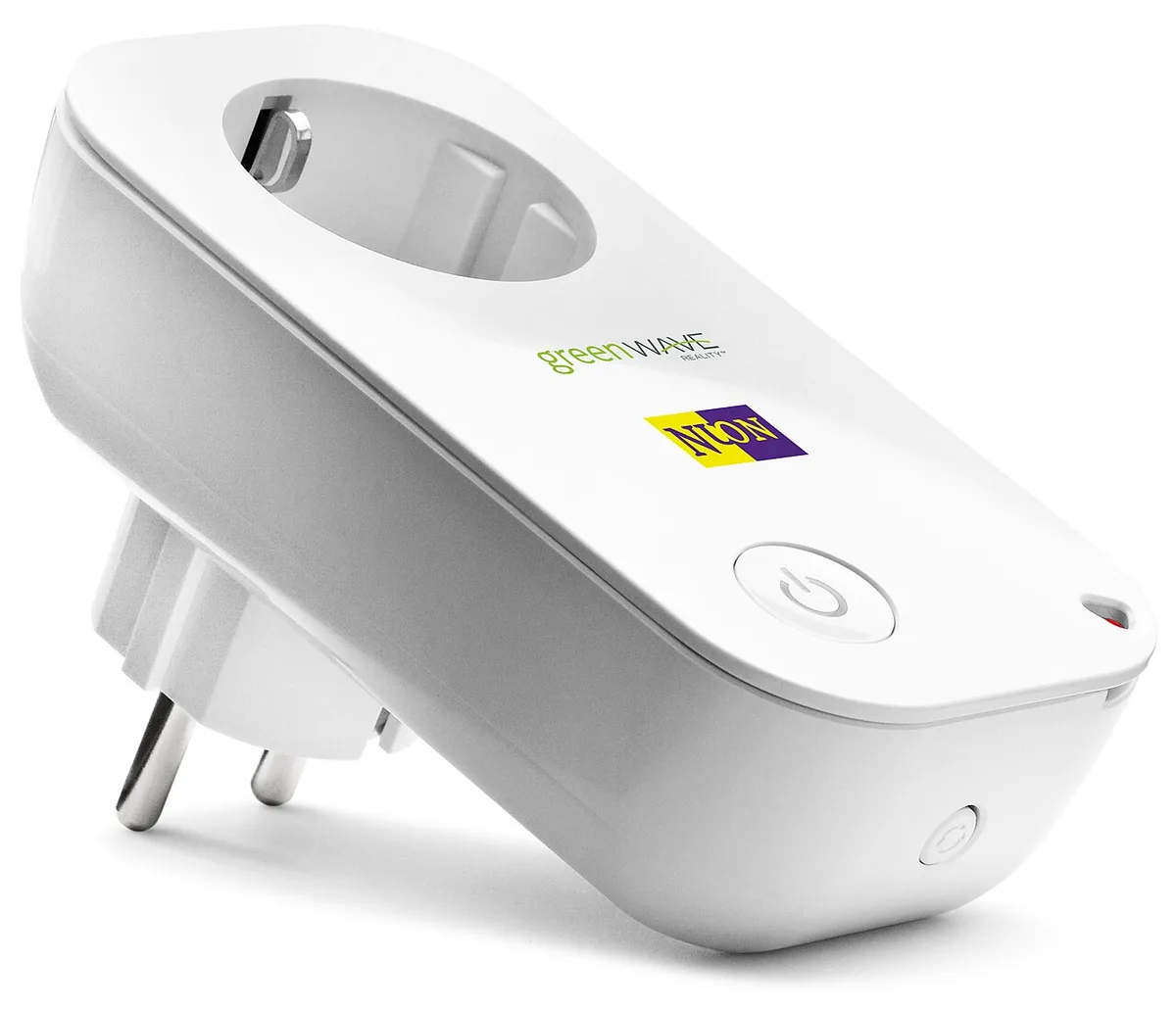
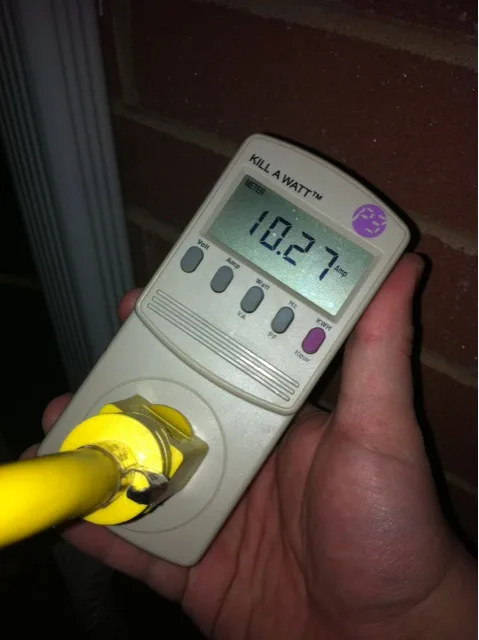
The real thermostat photograph shows a temperature and clock on an older controller. It illustrates an interface, not a recommended temperature or a current purchase recommendation. The smart-plug photograph shows a separate device with a different purpose and a foreign socket format. It should not be treated as an alternative way to control fixed heating equipment. The meter photograph shows another distinction: an electrical reading is not the same as a thermostat setting. Keep device purpose, physical compatibility and measured outcomes in separate parts of your notes.
Ask about operation after installation
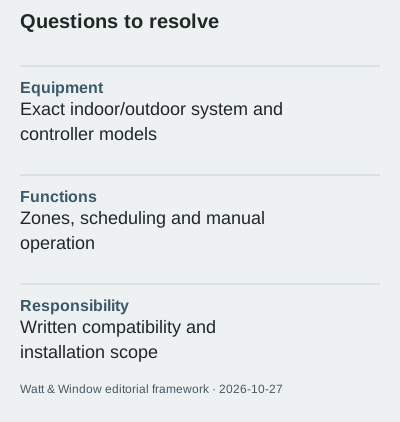
Request an explanation of ordinary manual control, scheduling, household access and any connection requirements. Ask what happens if internet access is unavailable and how the supplier supports the product over time. These are questions to verify for the exact model, not assumptions about every connected thermostat. Include who will commission the system and explain its controls. Avoid comparing a supply-only box price with a complete installed proposal as though the scopes were equal. No product price or installation cost is estimated here because the required system details have not been verified.
Keep the purchase decision conditional
Our source review date is 2026-10-27. Save the current compatibility evidence and the supplier response with the quotation, and check that model numbers match before ordering. If the proposed change involves electrical or system work, use the appropriately qualified professional and follow the exact manufacturer requirements. This article is a purchasing brief, not wiring advice. A useful shortlist can end with one documented candidate, several unresolved questions or a decision to retain the existing controller. It should not end with a savings promise inferred from the word smart.
Australian Government — Smart homes ? Australian Government — Heating and cooling ?