A draught is not the same as required ventilation
Describe unwanted air movement without treating every opening as something to seal.
Updated:

Describe the observation without naming the fix
If you notice air movement near a window or door, begin by recording where and when it occurs. Note whether the opening is closed and whether the observation is repeatable. This does not require smoke, a flame, dismantling or access to a roof space. A photograph and a plain description can support an enquiry without creating another risk. Avoid naming a sealing product before understanding the opening and the building. The useful first question is what you are observing, not how quickly every visible gap can be covered.
Keep required ventilation separate
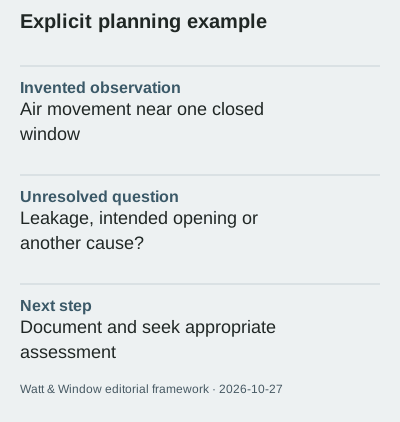
Australian Government guidance distinguishes unwanted draughts from the ventilation a building and its appliances may require. It specifically flags gas-appliance considerations. Your Home also discusses airtightness together with intentional ventilation. These sources are reasons to avoid indiscriminate sealing, not a checklist for diagnosing your own gas installation. Do not block vents or alter appliance air supplies based on this article. Where gas appliances, persistent condensation or uncertain openings are involved, obtain advice from an appropriately qualified professional who can assess the actual building and equipment.
Make a simple location record
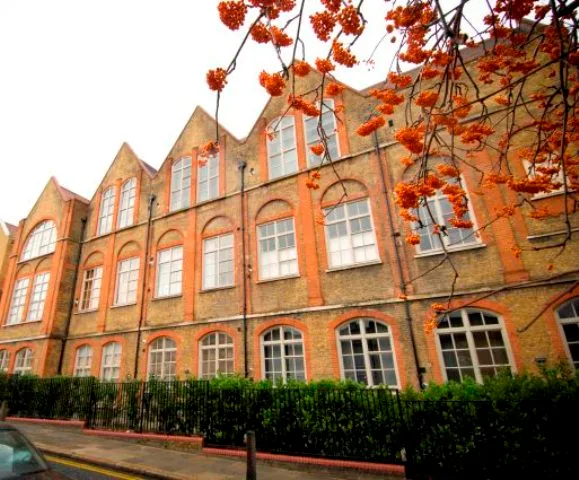
Imagine a note reading: living-room window L1, observation made on 2026-10-27 while the window was closed. Add the time and a photograph taken from a safe position. A second observation can be recorded separately rather than replacing the first. If you list 4 locations and only 1 has been assessed, that is 25% of the list reviewed, not a 25% reduction in leakage. Keep administrative progress distinct from performance. The casement photograph illustrates separate openings and panes that can be labelled; it cannot identify the condition or ventilation role of your own window.
Ask what a proposed product is intended to do
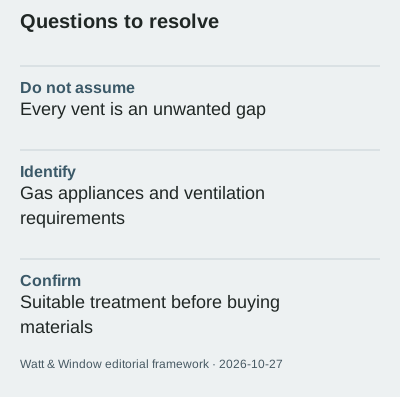
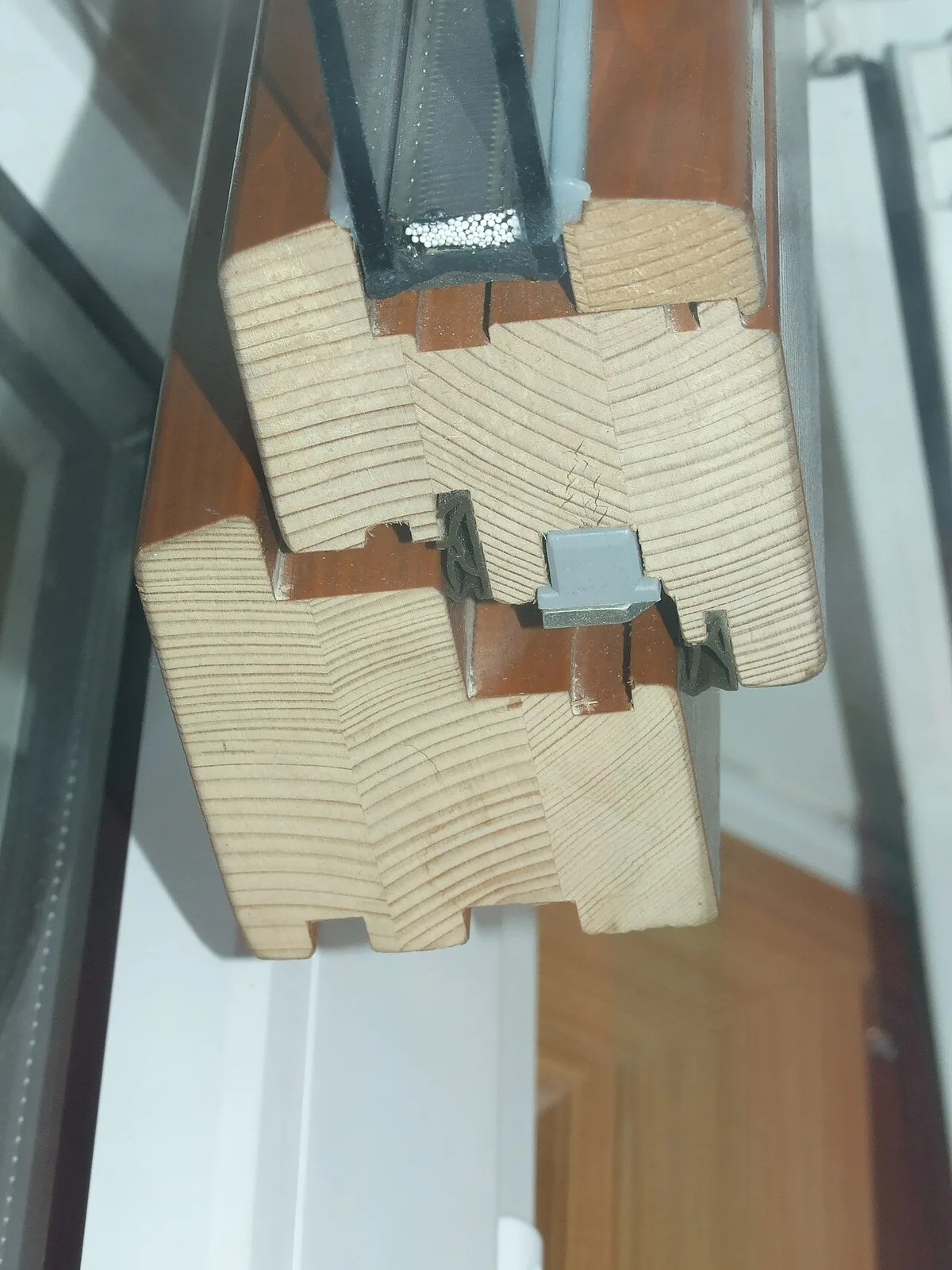
For a proposed draught treatment, request the exact application, compatibility and limitations from the supplier. A general description of a strip or seal does not establish that it suits a particular frame, moving part or required opening. The timber-profile cutaway makes the assembly visible, but it is not a fitting diagram. Do not copy its construction as an installation method. Keep any product instructions and professional advice with the quotation. If the intended use remains unclear, leave the purchase undecided rather than treating a low price as evidence that the product is appropriate.
Consider the building context
Room discomfort can have more than one contributing factor. Shading, glazing, heating operation and ventilation are separate topics that may need assessment. The external light-shelf photograph shows one building feature outside the window, not a remedy for a draught. Avoid claiming that a seal will resolve every comfort concern or deliver a fixed energy saving. A useful enquiry describes the observation and asks which issue the proposed work addresses. It also asks what must remain unchanged to preserve required ventilation and the operation of existing systems.

Retain the unanswered questions
Our sources were reviewed on 2026-10-27. Their general principles do not replace current product instructions or a building-specific assessment. Save a dated list of observations, advice and proposed work, distinguishing completed assessment from work merely suggested. This guide does not provide gas, electrical, roof-space or sealing procedures. Its practical output is a better brief for someone qualified to assess the issue. That can prevent a seemingly simple energy product from being selected for an opening whose purpose has not yet been understood.
Australian Government — Insulation and draught proofing ? Your Home — Ventilation and airtightness ?