Compare annual energy labels before comparing running costs
Keep appliance category, capacity and label assumptions aligned before estimating a difference in annual energy charges.
Updated:
Compare the same purchasing job
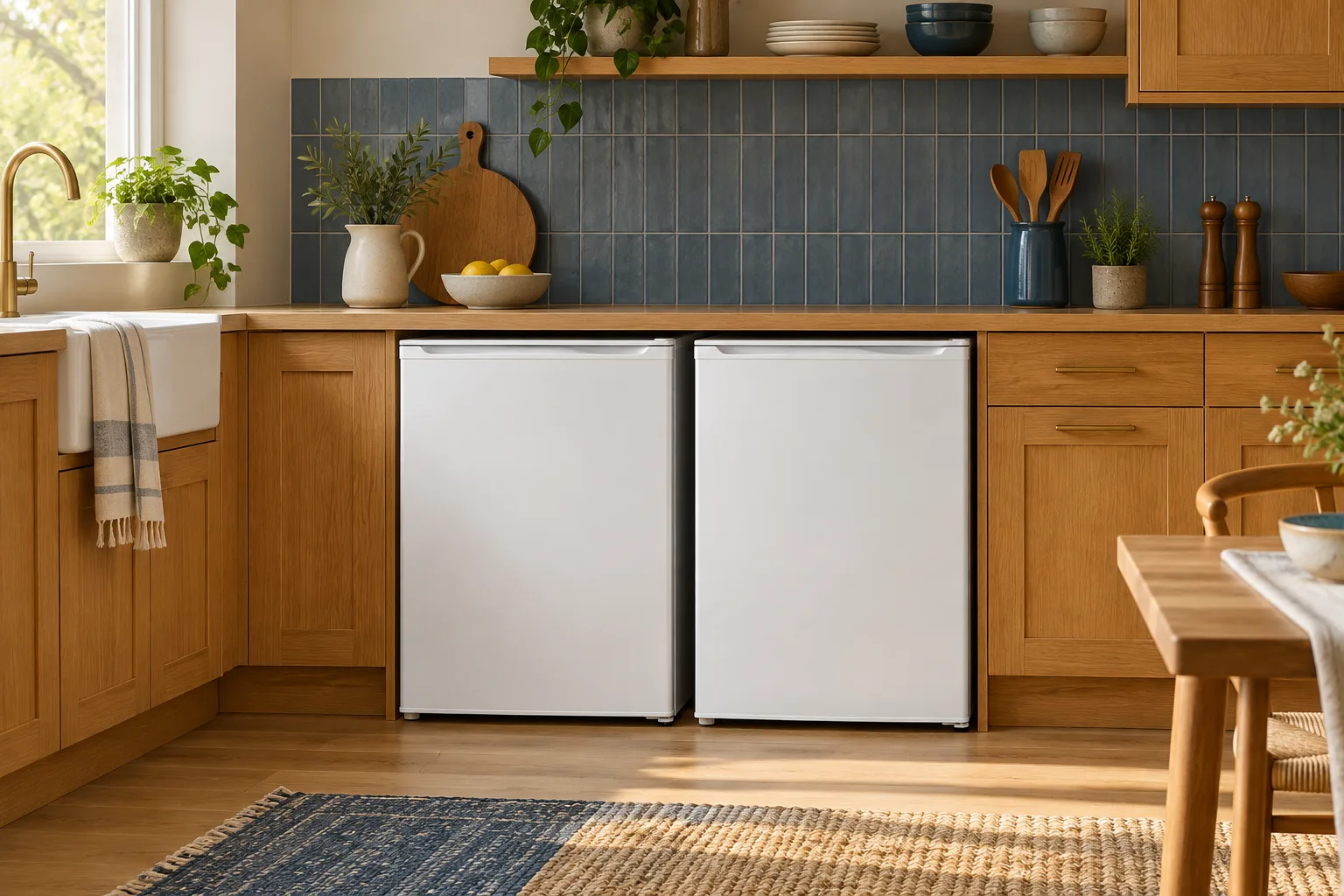
Before comparing energy labels, describe the appliance task and capacity you actually need. Two products can display attractive ratings while serving different purposes or offering different capacities. A smaller annual consumption number is not automatically the better purchase if the product does not meet the intended use. Create a shortlist within an appropriate category and keep the exact model identifiers. The Australian Government energy-rating guidance explains labels as a comparison aid. Read the applicable label information rather than treating every star graphic found online as though it belonged to the same scheme.
Copy the annual figure accurately
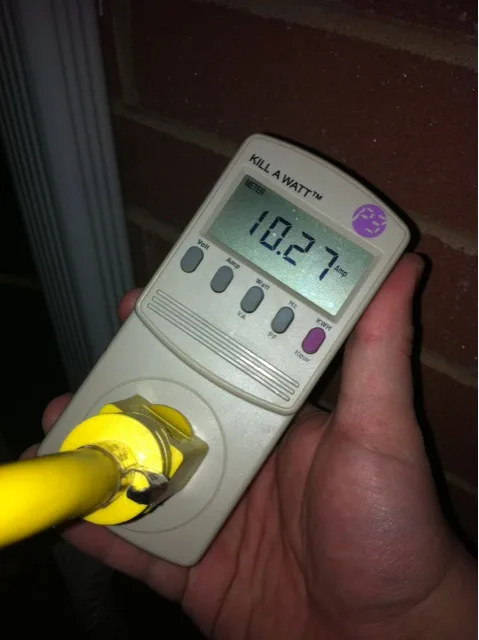
Record the stated annual energy consumption, its units and the source document. Keep notes about any conditions or comparison category provided with the label. Do not substitute a power rating for annual kilowatt-hours. The meter photograph illustrates why electrical displays can contain other units; a current reading cannot be copied into an annual-energy field. If a retailer page and manufacturer document disagree, ask for clarification before calculating. Retain the document date and model suffix so that a later change in the listing does not make the original comparison impossible to reconstruct.
Use a small transparent example
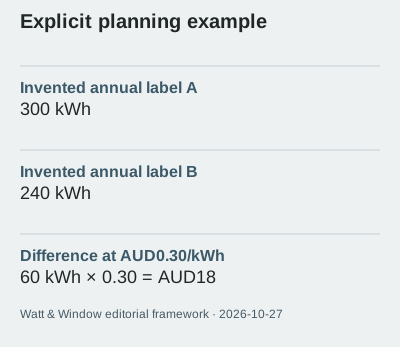
Suppose two invented, otherwise appropriately comparable label figures are 300 and 240 kWh per year. The numerical difference is 60 kWh, or 20% of the first figure. At an assumed AUD0.30 per kWh, their energy-charge estimates would be AUD90 and AUD72, a difference of AUD18. None of these figures describes an actual product or current tariff. The example shows how a percentage can be translated into a limited dollar comparison without claiming that the household bill will fall by the same percentage. Keep both the absolute difference and the assumptions visible.
Separate label conditions from your routine
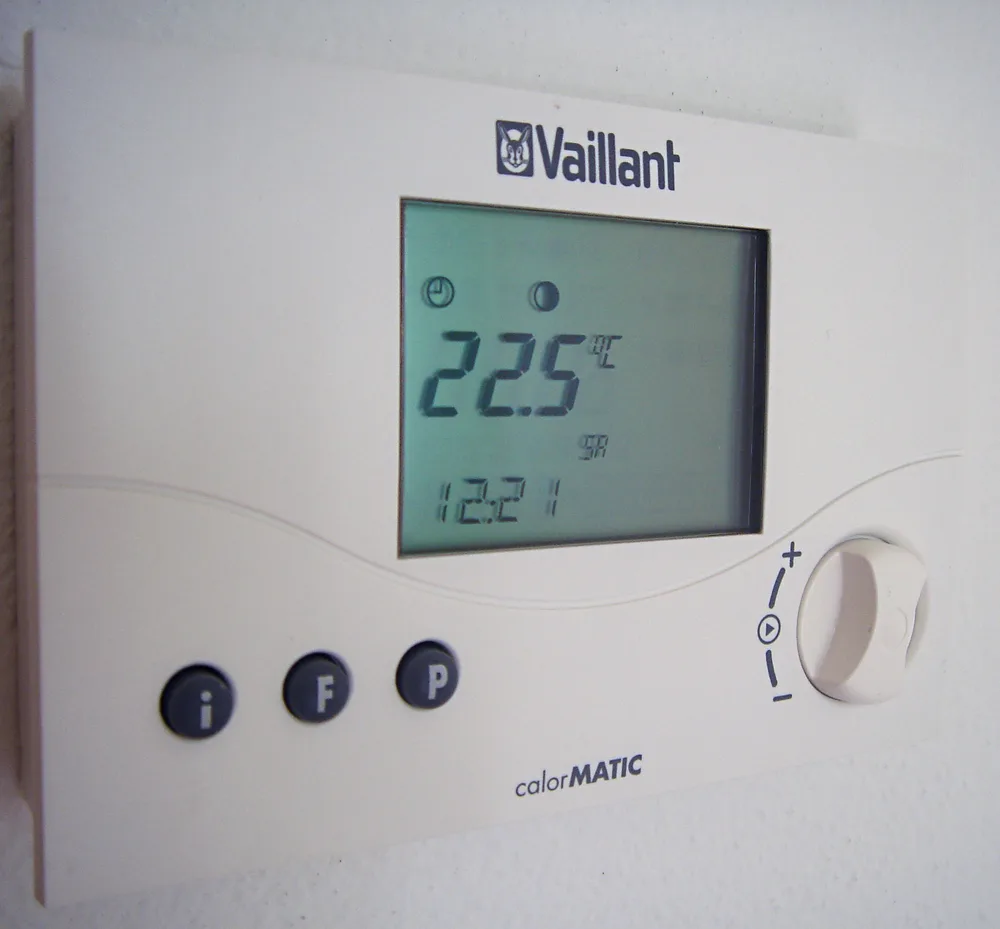
An annual label figure is not a record of your own household operation. Actual use can differ from the assumptions behind the rating. Avoid adjusting the number with an invented correction factor such as adding 10% for a busy home unless you have a justified method and clearly state it. The thermostat photograph is another reminder that user settings and device displays are not the same as annual consumption. If a supplier offers a tailored estimate, ask how it was derived and whether it uses measured data, a published method or a simplified assumption.
Keep purchase cost and support in another column
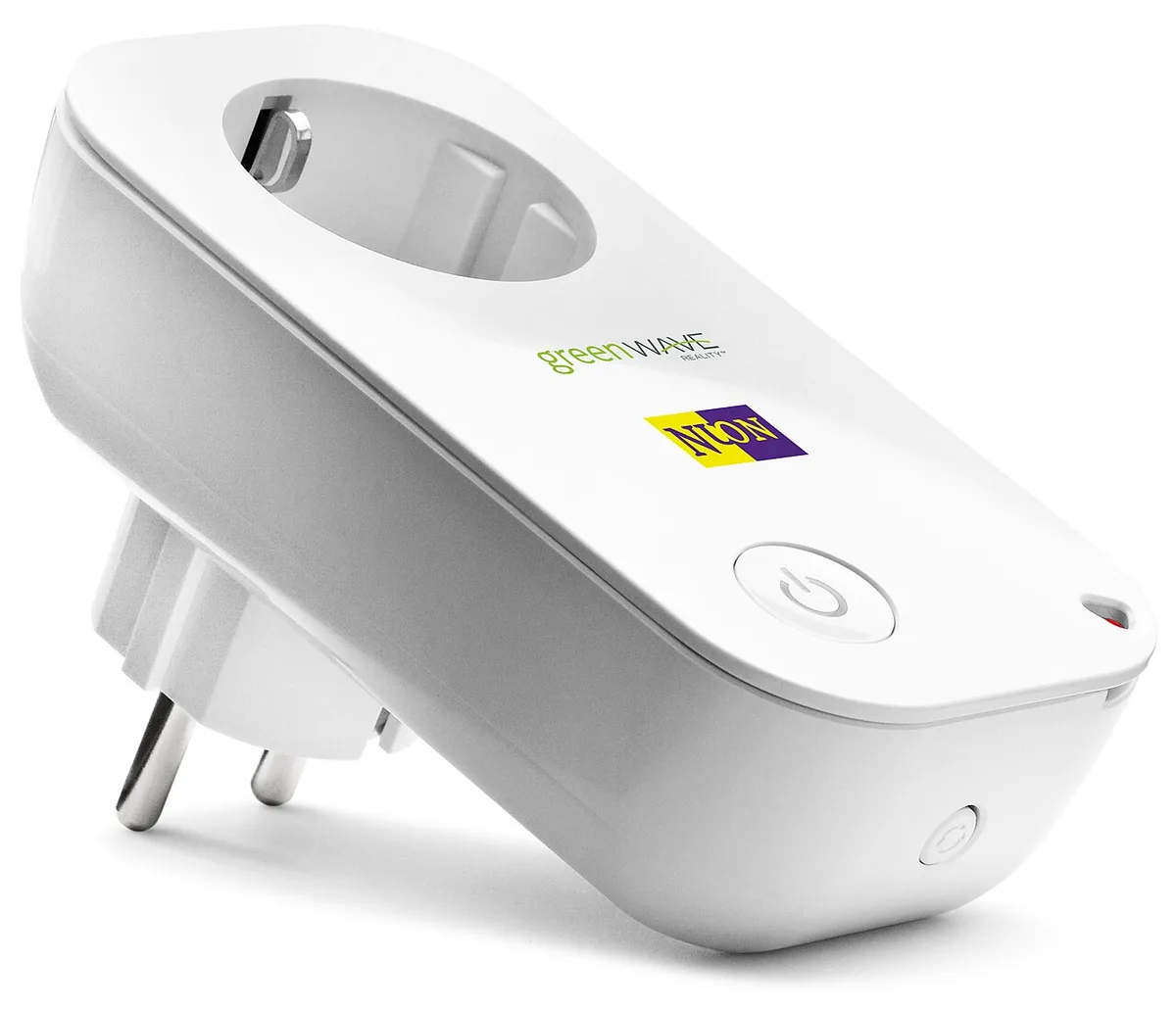
Energy is one part of an ownership comparison. Record the quoted purchase price, delivery, installation and support terms separately, using current written information for the exact product. No prices are supplied here because none has been verified. Do not combine an annual energy estimate with an incomplete purchase price and call the result total cost. The foreign smart-plug photograph also illustrates that physical and market suitability must be checked independently; a useful-looking energy number does not establish that a product is appropriate for Australian use or compatible with your equipment.
Make the comparison easy to revisit
Save the source label, calculation and exclusions in one place. Our review date is 2026-10-27, while your tariff and quotations should carry their own dates. If the intended capacity or model changes, redo the comparison rather than reusing the old result. A useful output might be two plausible candidates with a modest energy-charge difference and different support terms. It need not produce a dramatic winner. This guide explains comparison arithmetic and documentation; it does not test appliances, guarantee annual consumption or recommend a purchase based on a rating alone.